
Game Talk
10 Dice Alternatives for Tabletop Games
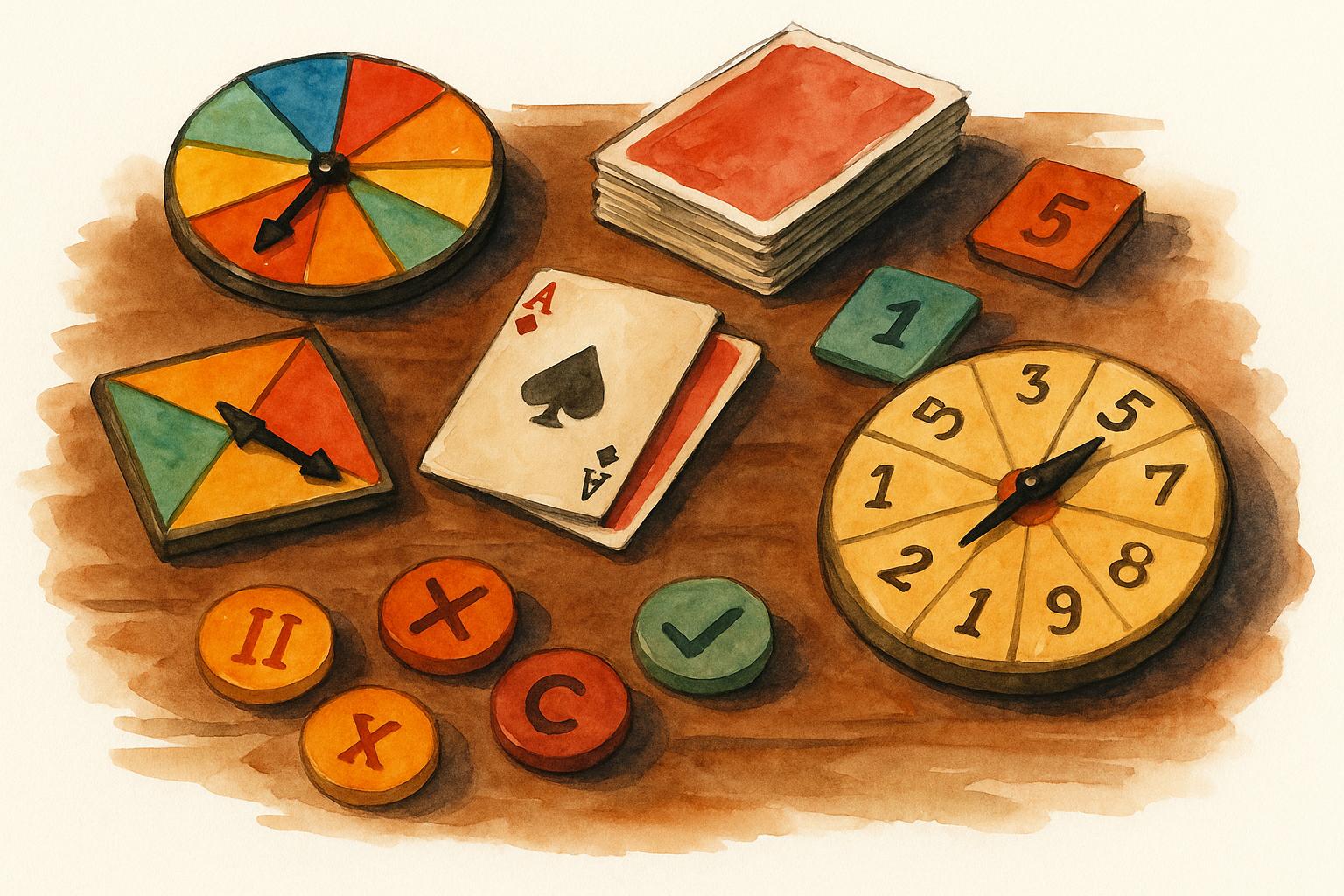
When dice don’t fit your game’s needs, there are plenty of other ways to randomize outcomes and keep things engaging. Whether you’re looking for better accessibility, thematic tools, or just a fresh twist, these 10 alternatives offer something for everyone:
- Spinner Wheels: Great for visual appeal and easy to customize with any number of outcomes. Prices range from $2–$30.
- Playing Cards: A simple, familiar option that works well for randomization and storytelling. Standard decks cost $1–$20.
- Tokens and Chips: Perfect for tactile gameplay. Affordable and reusable, costing under $5 for DIY options.
- Coin Flips/Pass-Fail Discs: Straightforward and budget-friendly, often free or under $1.
- Dominoes: Add depth with multiple outcomes per tile. Sets cost $5–$20.
- Jenga Towers: Combine skill and suspense for dramatic moments. Sets are $10–$20.
- Rock, Paper, Scissors: Free, quick, and universally known.
- Draw Cups: Customizable and cost-effective, often free or under $5 to create.
- Digital Randomizer Apps: Flexible and accessible, with most apps costing $0–$5.
- Special Game Components: Immersive tools like custom spinners or tokens, costing $5–$40.
Each option has its strengths based on cost, accessibility, and how much it adds to the game’s theme. For a quick reference:
Alternative
Cost
Accessibility
Immersion
Customization
Spinner Wheels
$2–$30
Medium
High
High
Playing Cards
$1–$20
High
Medium
Medium
Tokens and Chips
Under $5
High
Medium
High
Coin Flips/Pass-Fail Discs
Free–$1
High
Low
Low
Dominoes
$5–$20
Medium
Medium
Low
Jenga Towers
$10–$20
Medium
High
Low
Rock, Paper, Scissors
Free
Very High
Low
None
Draw Cups
Free–$5
High
Medium
Very High
Digital Randomizer Apps
Free–$5
Very High
Medium
Very High
Special Game Components
$5–$40
Low
Very High
High
These tools can replace dice while adding fun, variety, and accessibility to your game nights. Whether you prefer DIY solutions or polished components, there’s an option here to suit every group and budget.
Top 5 Alternatives To Dice In Wargaming
1. Spinner Wheels
Spinner wheels offer a fun, hands-on alternative to dice by combining visual appeal with a tactile experience. These circular tools feature a spinning pointer that lands on various sections marked with numbers, symbols, or custom outcomes, turning the randomization process into an enjoyable and interactive moment.
Customizability
One standout feature of spinner wheels is their adaptability. Unlike dice, which are limited to a fixed number of sides, spinners can be divided into as many sections as you need. Whether you’re looking for 7, 13, or even 23 outcomes, a spinner can easily be designed to fit your requirements.
Custom spinners open up endless creative possibilities for game design. For instance, a fantasy-themed game might use a spinner decorated with magical symbols, monsters, or spell effects, while a space exploration game could feature sections representing alien encounters or different types of planets. If you’re into DIY projects, you can create spinners using simple materials like cardboard, paper clips, and markers for less than $1. Printable templates online make it easy to design professional-looking spinners at home. For those who prefer ready-made options, commercial spinners like the Dice Tower Spinner combine multiple dice functions into one tool and typically range from $10 to $30. This adaptability makes spinners a versatile choice for any gaming setup.
Accessibility
Spinner wheels also shine when it comes to accessibility. Their larger, easy-to-read format can be a great alternative for players who struggle with the small numbers on dice, especially those with visual impairments. Additionally, the simple flicking motion required to spin the wheel is much easier for players with limited dexterity compared to handling small dice. By choosing spinners with clear markings and easy-to-grip components, you can make games more inclusive for everyone.
Immersion and Thematic Fit
On top of their practical benefits, spinners can enhance a game’s atmosphere by tying into its theme. For example, a pirate-themed game could feature a spinner designed like a ship’s wheel, adding to the adventure, while a sci-fi game might use a futuristic digital spinner with lights and sound effects. The physical act of spinning creates a sense of anticipation as the pointer slows down, making the randomization process feel like a natural part of the game’s story. Classic games like The Game of Life and Twister have long used spinners as core mechanics, and modern tabletop RPGs are increasingly incorporating them as well. These spinners are particularly appealing to younger players or groups looking for a more user-friendly option.
Cost-effectiveness
Spinners are also a budget-friendly choice, offering great value for both their reusability and customization options. DIY spinners are incredibly affordable - household items like cardboard coasters can be transformed into randomizers with just a marker and some creativity. This makes them a fantastic option for families or educators looking to teach probability concepts in a fun and engaging way.
Even commercial spinners provide long-term value. With proper care, a single spinner can be reused across multiple games and last for years, making it a smart and durable investment. Whether you go the DIY route or opt for a store-bought version, spinners prove to be a cost-effective addition to any game collection.
2. Playing Cards
Playing cards are a versatile and familiar tool for introducing randomization into games. Unlike dice, which are limited by their fixed number of sides, a standard 52-card deck opens up a world of possibilities. You can assign number ranges to replicate dice rolls - for instance, Ace through 6 to mimic a six-sided die (d6) or Ace through 10 for a ten-sided die (d10). Beyond their practical uses, playing cards also add a thematic dimension, making them a natural fit for a wide range of game styles.
Customizability
One of the standout features of playing cards is how easily they can be customized. You can design unique decks with illustrations, symbols, and mechanics that perfectly match your game’s theme. Imagine a horror game with cards featuring eerie artwork and special event triggers, or a Western-themed adventure where poker mechanics drive the action. Even standard decks can be personalized by assigning specific meanings to suits - hearts could represent healing, spades combat, diamonds treasure, and clubs challenges. MINIFINITI, known for its creative approach to game mechanics, often incorporates such tailored randomization methods to enhance both strategy and storytelling.
Creating custom decks is more accessible than ever, with print-on-demand services offering professional-quality options for $10–$25. These services let you bring your own artwork and mechanics to life, providing opportunities that traditional dice simply can’t.
Accessibility
Playing cards also shine in terms of usability. Their larger size and clearly marked faces make them a great option for players with visual impairments or dexterity issues. Unlike dice, which can sometimes feel intimidating to new players, cards are familiar and easy to use. For those who prefer digital tools, card apps provide even greater accessibility, making remote play or screen-based gaming a breeze.
Cost-effectiveness
When it comes to value, standard playing card decks are hard to beat. High-quality decks are widely available at U.S. retailers for just $1–$5, and their durability ensures they’ll last through countless games. While custom decks come with a higher upfront cost, they still tend to be more affordable than full sets of specialty dice. This combination of affordability and longevity makes playing cards a smart choice for families, educators, or anyone introducing probability concepts in a fun and engaging way.
Immersion and Thematic Fit
Playing cards do more than just randomize - they enhance the gaming experience by weaving narrative and artwork into every draw. Instead of simply rolling a number, each card can tell a story, adding depth and atmosphere to the game. For example, the game Deadlands uses poker-style mechanics to resolve actions, blending strategy with thematic immersion. Every card draw becomes a moment of storytelling, enriching the overall experience and leaving players with memorable gameplay moments.
3. Tokens and Chips
Tokens and chips bring a tactile and visual element to games that dice just can’t match. These small objects - like poker chips, cardboard discs, or custom-shaped pieces - can be drawn from bags or flipped for binary outcomes. Unlike dice, which are limited by their fixed faces, tokens can be tailored for endless possibilities. They’re also great for managing resources and keeping track of game mechanics. Let’s dive into what makes these pieces so versatile.
Customizability
Tokens and chips offer endless design flexibility. You can craft pieces that perfectly align with your game’s theme and mechanics. For instance, cardboard discs can be decorated with numbers, emotions, or thematic icons to enhance the setting. A pirate-themed game might use gold coin tokens, while a fantasy quest could feature rune stones etched with mystical symbols. Even DIY tokens made from simple materials like cardboard and markers can add a personal touch to your game.
MINIFINITI, for example, incorporates unique tokens to elevate gameplay strategies.
Budget-Friendly Fun
Tokens and chips are surprisingly affordable. You can grab bulk sets of 100–200 tokens for just $5–$15, or make your own for less than $1 using everyday materials. Thanks to their durability and versatility, a single set can be reused across multiple games, keeping costs low while reducing table clutter.
Accessibility for All Players
Tokens and chips also make games more inclusive. Their larger size makes them easier to handle than dice, and with thoughtful additions like raised symbols, Braille, or high-contrast colors, they can accommodate players with visual impairments. This ensures that everyone can join in on the fun.
Enhancing Immersion and Theme
Custom tokens can amplify a game’s atmosphere and immerse players in its narrative. Imagine drawing a weathered treasure token from a leather pouch instead of just rolling a die - it instantly pulls you deeper into the story. Whether you’re using crystal shards, ancient coins, or futuristic data chips, tokens don’t just serve as game pieces; they become part of the world you’re creating. They can track resources, health, or points, all while adding a tactile and thematic layer that dice can’t replicate.
4. Coin Flips and Pass/Fail Discs
Coin flips and pass/fail discs provide a simple yet effective way to generate random results. With their clear binary outcomes - yes/no or pass/fail - they offer a 50% chance for either side. This straightforward approach makes them perfect for quick decisions and situational checks, adding flexibility to various game mechanics.
Pass/fail discs, in particular, stand out for their adaptability. Unlike standard coins, these discs can be tailored to fit any game theme or mechanic, making them a versatile choice for players and designers alike.
Cost-Effectiveness
Creating pass/fail discs at home is remarkably budget-friendly, as they can be made from everyday materials. If you prefer a polished look, commercial versions are available for just $1–$5 per piece. This affordability makes them an excellent option for large groups, classrooms, or anyone working with limited resources. Plus, a single set of discs can be reused across multiple games, and replacing a lost disc is inexpensive - making experimentation both easy and low-risk.
Customizability
Pass/fail discs are highly customizable, whether you’re crafting them yourself or purchasing pre-made options. DIY versions can be created with basic materials, while commercial discs, priced at $1–$5, often feature unique designs. Symbols like swords and shields or happy and sad faces can align perfectly with a game’s theme. For example, MINIFINITI offers discs with creative artwork and humor, seamlessly blending functionality with thematic design.
Accessibility
These randomizers are not only easy to use but also inclusive, enhancing the gaming experience for players of all ages and abilities. They require minimal dexterity, making them suitable for younger players or those with limited motor skills. Larger discs can be crafted for easier handling, and tactile or high-contrast designs can assist visually impaired players. However, small coins may pose choking hazards for young children, so larger, safer materials are a better choice in such cases.
Immersion and Thematic Fit
Tools as simple as coin flips and pass/fail discs can add an extra layer of depth to your game’s atmosphere. For instance, a pirate-themed game could use gold doubloons, while a sci-fi setting might feature discs adorned with alien symbols. The physical act of flipping a coin or tossing a disc heightens suspense and engagement, weaving randomization into the game’s narrative. At MINIFINITI’s weekly game nights, oversized, visually striking discs are often used to encourage group play and social interaction, making the experience more memorable. Custom symbols can also turn routine outcomes into narrative highlights - players might exclaim, “The spirits are with us!” or “The curse takes hold!” instead of simply calling heads or tails.
5. Dominoes
Dominoes bring together functionality and theme in a way that feels fresh and engaging. These classic game pieces offer a tactile and strategic alternative to traditional dice rolling, adding a layer of versatility to tabletop gaming. A standard double-six domino set, with its 28 tiles, opens up endless possibilities for random outcomes through pip sums, specific combinations, or even custom assignments. This clever twist transforms a familiar parlor game staple into a sophisticated tool for modern gameplay.
Each domino tile features two numbers, providing game designers with multiple data points per draw. This allows for creative mechanics, like assigning unique meanings to each half of a tile, tweaking probability by removing certain tiles, or combining numbers to generate varied results. Let’s explore how dominoes shine in terms of cost, accessibility, customization, and their ability to enhance a game’s theme.
Cost-Effectiveness
Dominoes are a budget-friendly option for enhancing gameplay. A standard set typically costs between $5 and $20, depending on the material and brand. Plastic sets tend to be more affordable, while wooden or deluxe versions offer added durability and visual appeal. Many people already have domino sets at home, making this option even more accessible. Plus, the 28 unique tiles in a double-six set can be reused across countless games. For those who need a wider range of outcomes, larger sets like double-nine or double-twelve provide more possibilities without breaking the bank.
Accessibility
Dominoes are especially user-friendly, making them a great choice for players who might struggle with small dice or fast-paced gameplay. Their larger size and clear markings are perfect for children, older adults, or anyone with visual or dexterity challenges. Another bonus? Dominoes are harder to lose than tiny dice, making them a practical choice for families or educational settings.
Customizability
One of the standout features of dominoes is how easily they can be adapted to fit different games and themes. For example, double tiles can trigger special events, or matching numbers can signal specific in-game outcomes.
Custom sets take this flexibility even further. Designers can swap out the traditional pips for symbols, colors, or artwork that align with a game’s aesthetic. Educational games often use dominoes to teach concepts like probability and addition, showcasing their versatility beyond standard gameplay. With these customizable options, players can create unique house rules that keep the experience fresh and exciting.
Immersion and Thematic Fit
Dominoes bring a sense of nostalgia and thematic depth to games, especially those with historical, gambling, or puzzle elements. The act of drawing tiles from a face-down pile adds a layer of suspense and anticipation, offering a tactile and visual experience that dice just can’t replicate. This makes them an excellent fit for games that aim to evoke a casino vibe or abstract strategy scenarios. Custom-printed dominoes with game-specific artwork or symbols can further enhance the connection between the mechanics and the theme, all while retaining the classic charm of traditional domino play.
6. Jenga Towers and Block Stacks
Block stacks bring a hands-on twist to randomization in tabletop games. Instead of relying on dice rolls, this method uses the classic block-stacking game to combine chance with a touch of skill. Players carefully remove blocks from a tower, knowing that as the structure becomes shakier, its collapse is inevitable. When the tower finally tumbles, it often marks a major failure or dramatic turning point in the game’s story. This mechanic, made famous by the horror RPG Dread, amps up the suspense and keeps players on edge.
What makes this approach stand out is how it blends decision-making with physical tension, creating a unique way to determine outcomes while keeping the gameplay tactile and engaging.
Budget-Friendly Fun
Block-stacking games are an affordable addition to any tabletop setup. Standard sets usually cost between $14.99 and $19.99, and off-brand versions can go for as little as $9.99. Many people already have a set at home, and the wooden blocks are durable enough to last through countless game nights.
Accessibility Considerations
While block-stacking mechanics work well for most players, they do require a steady hand and some dexterity. Larger blocks can help those with visual impairments, but players with limited hand strength might find the game more challenging. To make it more inclusive, consider adjusting the rules or using oversized blocks for easier handling.
Endless Customization
Want to tie the blocks into your game’s theme? You can paint or label them with numbers, symbols, or effects that fit your story - whether it’s a medieval quest or a modern-day thriller. This adds an extra layer of narrative integration, making the randomization process part of the storytelling itself.
Immersion and Suspense
There’s something uniquely thrilling about the physical act of pulling out a block while the tower teeters. This mechanic creates a real sense of escalating danger, perfectly mirroring tense moments in the game’s storyline. The tactile nature of the game draws players in and delivers suspenseful, unforgettable moments that dice rolls just can’t replicate.
MINIFINITI could take this idea further by designing custom block sets with creative effects - some humorous, others strategic - that heighten the tension and deepen player interaction. This kind of personalization not only adds to the fun but also enhances the social dynamics of the game.
sbb-itb-7b84150
7. Rock, Paper, Scissors
The classic hand game, Rock, Paper, Scissors, offers a quick and equipment-free way to resolve conflicts, skill checks, or contested actions in tabletop games. Whether it’s a head-to-head match against another player or the game master, or a solo challenge with set success conditions, this method keeps things simple and efficient.
What makes this approach so appealing is its speed and universal recognition. Almost everyone knows the rules, making it an ideal choice for low-stakes decisions that need to be made on the fly. Plus, it helps maintain the game’s momentum without requiring extra tools or setup.
Budget-Friendly Fun
Rock, Paper, Scissors is practically free - no dice, cards, or special equipment required. This makes it perfect for groups trying to save money or for introducing tabletop gaming in settings like schools or community centers. If you’d like to add a creative twist, you can craft themed versions using basic materials like paper or cardboard to make custom cards.
Inclusive and Easy to Use
One of the best things about this method is how accessible it is. The rules are simple and don’t require much physical effort, making it suitable for players of all abilities. For those with limited dexterity, the game can be adapted with cards, tokens, or even digital apps that randomly pick gestures. To make it even more inclusive, you can incorporate visual aids or tactile symbols for players with visual impairments.
Tailored to Your Game
The beauty of Rock, Paper, Scissors is how easily it can be customized to fit your game’s theme. Instead of the usual hand gestures, you could use thematic alternatives like “sword, shield, magic” for a fantasy setting or “wizard, knight, dragon” for a medieval vibe. You might even swap gestures for small props like a miniature rock, a paper card, and toy scissors, or design custom flashcards to suit your players’ preferences. For those looking to spice things up, you can expand the system with extra options like “lizard” and “Spock” for more complex outcomes.
Adding Depth to Your Game’s World
A well-themed version of Rock, Paper, Scissors can blend seamlessly into your game’s narrative, enhancing immersion. For instance, using miniature objects instead of gestures can make the mechanic feel like a natural part of the story. To ensure it works smoothly, explain any adapted rules clearly and introduce the mechanic at moments where quick, dramatic decisions add to the excitement. Many family and educational games have successfully used themed variations to resolve conflicts, making the experience both engaging and memorable. For game nights, MINIFINITI could design playful, humorous twists on this classic game, turning simple decisions into moments of laughter and connection.
8. Draw Cups with Custom Items
Draw cups offer a creative alternative to dice, allowing players to randomly select custom tokens, chips, or objects from a container. This approach lets you fine-tune the odds by choosing specific items for the cup, giving you more control over the randomness. Unlike dice, which are bound by fixed numerical ranges, draw cups let you design a distribution that aligns perfectly with your game’s mechanics. Whether you’re aiming for straightforward yes/no outcomes, layered results, or thematic elements that enhance storytelling, this method offers plenty of flexibility.
Customizability
With draw cups, you can adjust the probabilities by varying the type and quantity of items inside. For example, if you want to increase the likelihood of success, you can add more “success” tokens than “failure” ones. The items can also reflect your game’s theme. Numbered tokens work well for skill checks, colored chips can represent different resources, and illustrated cards might trigger specific events or abilities. For a fantasy game, you could use magical runes or gemstones, while a mystery game might feature evidence tokens or suspect cards. The Glyfi system is a great example of how draw cups can serve as a core mechanic, functioning similarly to deck-building. This adaptability also makes draw cups a practical option for game creators.
Cost-effectiveness
One of the best parts of using draw cups is how affordable they are. You can create a DIY draw cup system for less than $1 using everyday household items. This low-cost option is perfect for families, schools, or gaming groups on a budget. While commercial sets of colored chips or custom tokens can cost anywhere from $5 to $20, many players prefer the DIY route for both the savings and the creative opportunities it offers. Plus, crafting the components can become a fun pre-game activity, adding another layer of enjoyment to the experience.
Accessibility
Draw cups are easy to use and accessible for players of all ages and abilities. All it takes is reaching into a container and drawing an item, making it a great option for young children or individuals with limited dexterity. You can also adapt the system by using larger tokens or adding tactile features for players with visual impairments. The visual design of custom tokens - using colors, symbols, or pictures - can also help players who find numerical displays challenging. This flexibility ensures that everyone can participate, while also enhancing the game’s overall experience.
Immersion and Thematic Fit
Custom items drawn from a cup can seamlessly blend into your game’s setting, creating a more immersive experience than rolling dice. The act of drawing an item can add a layer of suspense, evoke rituals, or introduce mystery, pulling players deeper into the narrative. Imagine drawing magical stones from an ancient pouch in a fantasy adventure or pulling evidence cards from a detective’s case file in a mystery game. These small details can make the randomization process feel like a natural part of the story. For example, MINIFINITI could use draw cups in games like “Red Tape”, incorporating humorous tokens that reflect the game’s mix of strategy and comedy. This approach makes randomization an engaging and thematic part of the gameplay.
9. Digital Randomizer Apps
Moving beyond the physical realm, digital randomizer apps bring a modern twist to replacing dice. These smartphone and tablet tools generate random outcomes instantly, making them a seamless alternative for tabletop games. With over 60% of players having tried a digital randomizer app and 35% using them regularly, they’ve become a popular option for gamers looking to simplify their setup without losing the essence of gameplay.
Customizability
Digital randomizer apps shine when it comes to flexibility. Unlike traditional dice, which are limited to fixed number ranges, these apps let you tailor randomization to your exact needs. Want custom probability tables? Weighted outcomes? Unique randomization methods? No problem. Apps like RPG Dice Roller and Dice by PCalc allow users to roll multiple dice types at once, save roll histories, and even share results in real time. Beyond dice rolls, many apps simulate card draws, spinner wheels, or even complex event tables, making them perfect for homebrew rules or experimental mechanics. And all of this comes at a fraction of the cost of physical tools.
Cost-effectiveness
The affordability of digital randomizer apps is hard to beat. Most are either free or cost under $5, with premium versions offering advanced features for $2 to $10. Compare that to the price of multiple sets of specialized dice, and it’s easy to see the appeal. For instance, RPG Dice Roller boasts a 4.7/5 rating from over 15,000 users, offering great value without the risk of losing or damaging physical components. Once downloaded, there’s no need for replacements - just reliable, long-term functionality.
Accessibility
Digital randomizer apps break down barriers for players who may find physical dice challenging to use. Features like adjustable font sizes, high-contrast color schemes, and voice output make these tools accessible for those with visual or auditory impairments. Touch-friendly interfaces also cater to players with limited dexterity. Plus, with most people owning a smartphone or tablet, these apps are widely available and compatible across iOS, Android, and web platforms. They’re inclusive, easy to use, and accessible to almost anyone.
Immersion and Thematic Fit
One of the standout features of digital randomizer apps is their ability to enhance immersion. Through themed graphics, sound effects, and animations, they transform simple dice rolls into engaging, atmospheric moments. A fantasy-themed app might include medieval-style dice with magical sound effects, while a sci-fi app could feature sleek visuals and futuristic audio cues. Companies like MINIFINITI have embraced these tools, using them to amplify humor and strategy during game nights, creating a richer, more engaging experience for players.
10. Special Game Components
Special game components take the place of traditional dice, introducing unique shapes, artwork, and mechanics that bring a game’s theme to life. Think of a Dice Tower Spinner adorned with intricate fantasy carvings or species coasters that double as drink holders - these aren’t just tools for randomization; they turn ordinary game actions into immersive experiences. By blending functionality with design, these components seamlessly tie into a game’s narrative and aesthetic.
Customizability
The sky’s the limit when it comes to customizing special game components. A fantasy game might feature a dragon-shaped spinner, while a sci-fi adventure could include spaceship tokens. Designers can even incorporate house rules directly into these components. For those who enjoy a hands-on approach, creating personalized pieces is easy and inexpensive. Materials like wood, cardboard, or even 3D-printed parts can be used to craft unique components for less than $1.
Accessibility
Special components can also make games more inclusive for players with different needs. Larger pieces can be designed for easier handling, tactile symbols can aid visually impaired players, and high-contrast or color-coded elements can assist those with dyslexia or color blindness. These thoughtful adaptations ensure that everyone can join in comfortably. For instance, jumbo-sized tokens are easier to grip, while custom cards with bold, legible numbers - or even braille - can accommodate a wider range of players.
Immersion and Thematic Fit
By extending the game world into its components, special pieces can create a more engaging atmosphere. Imagine rune-inscribed stones in a medieval game or eerie, ominous tokens in a horror setting. Games like MINIFINITI’s Red Tape use illustrated cards that combine humor and theme to great effect. These thematic touches don’t just complement the gameplay - they make the experience unforgettable.
Cost-Effectiveness
The cost of special components can range widely depending on their design and quality. DIY options, crafted from everyday materials, can cost less than $1. On the other hand, commercially produced items like the Dice Tower Spinner or species coasters typically range from $10 to $40. While the upfront cost of these components may exceed that of basic dice, their multifunctionality and ability to enhance gameplay often justify the investment. With options available for every budget, these components can elevate the gaming experience without breaking the bank.
Component Type
Customizability
Accessibility
Immersion/Thematic Fit
Typical Cost Range
DIY Pass/Fail Discs
High
High
Moderate
Under $1
Dice Tower Spinner
Moderate
Moderate
High
$10‑$25
Species Coasters
Low
Moderate
High
$15‑$40
Comparison Table
Picking the right dice alternative depends on what you need, your budget, and how you like to play. Each option has its own pros and cons, so it’s worth considering what works best for your gaming group.
Here’s a quick breakdown of how these alternatives stack up in four key areas: customizability (how well they adapt to different games), accessibility (ease of use for all players), immersion (how much they add to the game’s theme), and cost-effectiveness (both upfront cost and long-term value).
Alternative
Customizability
Accessibility
Immersion
Cost-Effectiveness
Spinner Wheels
High
Medium
Medium-High
Medium ($2-$15)
Playing Cards
Medium
High
Medium
High ($1-$20)
Tokens and Chips
High
High
Medium
High (Under $5)
Coin Flips/Pass-Fail Discs
Low-Medium
High
Low
Very High (Free-$1)
Dominoes
Low
Medium
Medium
Medium ($5-$15)
Jenga Towers/Block Stacks
Low
Medium
High
Low-Medium ($10-$20)
Rock, Paper, Scissors
None
Very High
Low
Very High (Free)
Draw Cups
Very High
High
Medium
Very High (Free-$5)
Digital Randomizer Apps
Very High
Very High
Medium
Very High (Free-$5)
Special Game Components
High
Low-Medium
Very High
Low-Medium ($5-$30+)
If you’re looking for the most versatile options, Draw Cups and Digital Randomizer Apps are hard to beat. They score high across multiple categories, offering excellent customizability and affordability. These are great for groups that enjoy a wide variety of games without spending too much.
For accessibility, Rock, Paper, Scissors and Digital Apps stand out, especially for mixed groups that include kids, seniors, or players with physical challenges. Playing Cards and Tokens are also strong contenders here, thanks to their familiarity and ease of use.
When it comes to creating an immersive experience, Special Game Components and Jenga Towers shine. They add a lot to the atmosphere but often come with higher costs and may not be as easy to use for everyone.
Interestingly, some of the most cost-effective tools are also the simplest. Rock, Paper, Scissors is completely free, and options like Coin Flips, Draw Cups, and Digital Apps can all be used for less than $5.
Ultimately, the best choice depends on your gaming style. Families might lean toward affordable and easy-to-use options, while dedicated gaming groups may prefer tools that enhance the experience and allow for customization. Many groups find success by combining different tools to match the specific needs of each game.
Conclusion
Trying out dice alternatives can open up a whole new world for your tabletop games. Whether you’re looking for something more accessible, a way to deepen the theme of your game, or just a fun twist on the usual mechanics, these options can change the way you and your group enjoy your time together.
What’s great about dice alternatives is how they can fit your specific needs and style. Families with younger kids might enjoy the simplicity of coin flips or draw cups, while more seasoned groups could dive into the suspense of Jenga towers or the versatility of digital randomizer apps. Each approach adds its own unique flavor to the gameplay, making every session feel fresh and engaging.
Beyond just mechanics, these alternatives bring people closer together. Think about the thrill of pulling a block from a teetering Jenga tower or the suspense of drawing from a mystery cup - these moments spark laughter, excitement, and stories you’ll talk about long after the game ends.
Even game designers are embracing these creative tools. For instance, MINIFINITI’s game Red Tape uses innovative mechanics to encourage genuine connections among players. Their weekly game nights have become a hub for trying out new randomization methods, showing just how much these alternatives can enhance the tabletop experience.
If you’re new to this, start simple. Playing cards or tokens are easy to introduce and can gradually lead to experimenting with more elaborate tools as your group gets comfortable. Ultimately, the best randomization option is the one that makes your gaming sessions more enjoyable and brings everyone closer together.
Your tabletop adventures don’t have to stick to tradition. From a quick round of rock, paper, scissors to customized draw cups, there’s a world of possibilities waiting to breathe new life into your game nights. Give it a try and see where it takes you!
FAQs
What’s the best way to choose a dice alternative for my tabletop game group?
The ideal dice alternative for your group really depends on your game’s vibe and what your players enjoy. Spinners can bring a hands-on, interactive twist, while tokens or cards might suit games that lean on strategy. For a fast and smooth randomization option, digital apps are a solid choice.
If you’re in the mood for something different, check out tabletop games from MINIFINITI, like Red Tape, which combines humor with strategic gameplay. You might also find inspiration at MINIFINITI’s weekly game nights - perfect for discovering fresh ways to level up your game sessions.
What are some good alternatives to dice for players with visual impairments?
For players with visual impairments, there are plenty of ways to make tabletop games more accessible without relying on traditional dice. Tactile tools like spinners with raised markings or textured tokens can offer a hands-on way to engage with the game. These tools provide clear, non-visual cues that make it easier for everyone to participate.
Another great option is audio-based randomization apps. These apps announce results aloud, completely removing the need for visual interpretation. They’re a simple but effective way to ensure no one feels left out.
Some tabletop games even come with specially designed accessibility tools. Taking the time to explore these options can make a huge difference in making sure everyone at the table can fully enjoy the experience.
How can I customize spinner wheels to match different game themes?
Customizing spinner wheels for your tabletop games is a great way to make gameplay more engaging and personal. By incorporating thematic colors, symbols, or artwork, you can align the spinner with your game’s storyline or setting. For instance, a fantasy game might feature dragons or enchanted runes, while a sci-fi game could showcase planets or sleek futuristic designs.
You can also get creative by dividing the spinner into sections that offer unique challenges or outcomes tailored to your game. To make updates or redesigns easy, consider using stickers, paint, or printable templates. This simple customization adds a dynamic element to your games and keeps things fresh for every playthrough.