
Game Talk
Q&A: Addressing Bias in Tabletop Games
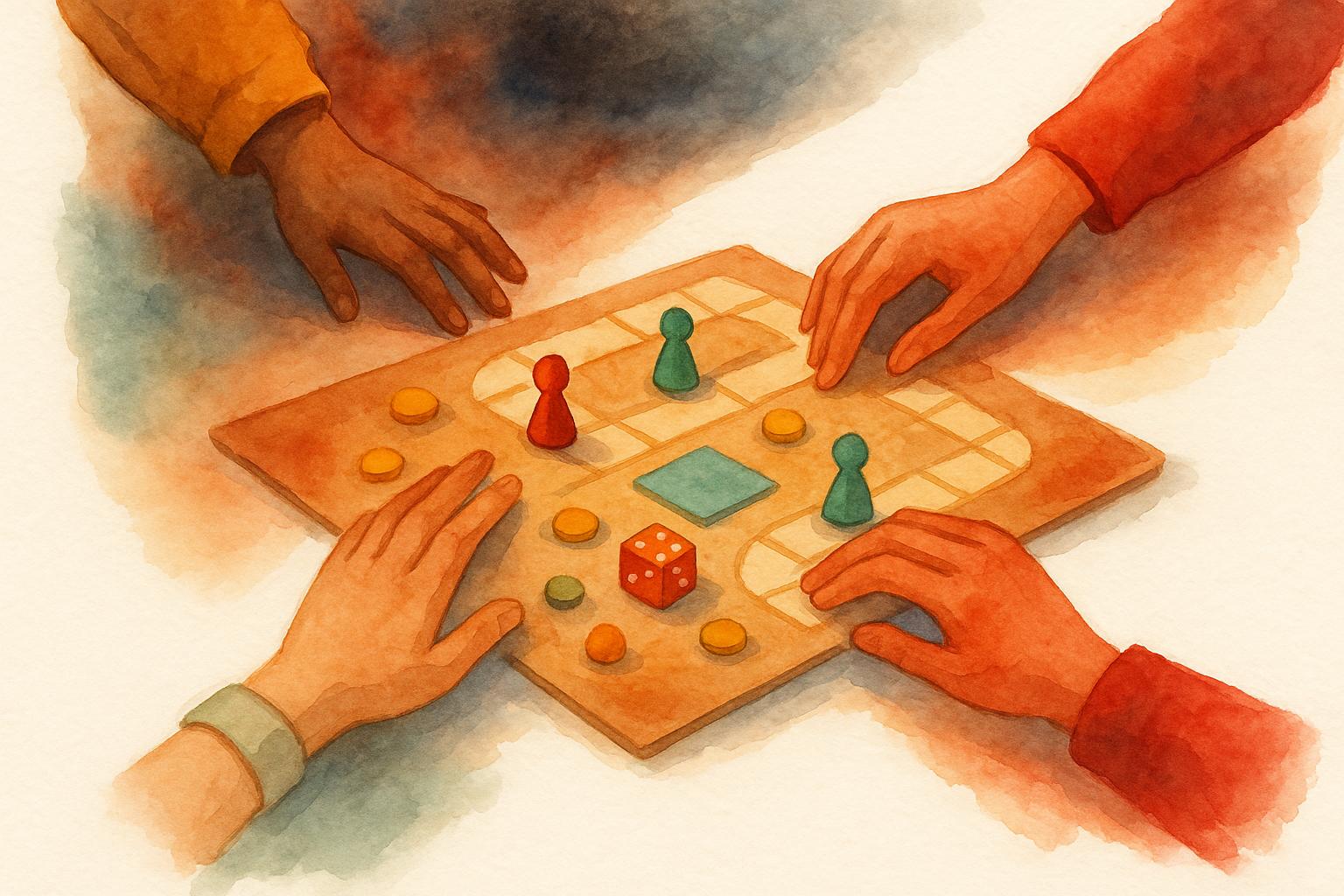
Bias in tabletop games can make certain players feel excluded or disadvantaged. This happens through stereotypes in characters, mechanics that favor specific abilities, or lack of accessibility features. For example, games often rely on quick decision-making or verbal communication, unintentionally excluding those with social anxiety or physical disabilities.
To tackle bias, game designers can:
- Represent diverse characters without stereotypes.
- Design mechanics that allow equal participation.
- Include accessibility options (e.g., colorblind-friendly palettes, large text).
- Playtest with diverse groups to identify hidden issues.
Creating Resonance with Thematic Tabletop Game Design
How to Recognize Bias in Game Design
Understanding bias is one thing, but spotting it in game design is where the real work begins. Let’s break down where bias tends to appear in games and how to identify it effectively.
Where Bias Commonly Appears in Games
Bias can sneak into various aspects of a game, and catching it early can help avoid negative experiences for players.
Character representation and artwork often reflect visible biases. If leadership roles in a game are consistently assigned to certain types of characters while others are relegated to support positions, that’s a problem. Even if the game includes a range of characters, the issue lies in whether they’re given meaningful roles and agency within the story.
Game mechanics can carry hidden biases as well. For instance, mechanics that reward quick decision-making might exclude players who need more time to process. Similarly, games that rely heavily on fine motor skills without offering alternatives can alienate players with physical disabilities. Cooperative games can also unintentionally reinforce bias - when experienced players dominate decisions, the experience becomes less collaborative and more like a one-person show.
Accessibility options (or the lack thereof) provide another clue. Features like colorblind-friendly palettes, large text, and options for players with different physical abilities show a commitment to inclusivity. When these options are missing, it suggests the game was designed with a narrower audience in mind.
Cultural themes and narratives demand careful handling. Games that rely on stereotypes or portray certain groups through a limited lens can reinforce harmful assumptions. Designers should ask themselves: Are these cultural elements being represented thoughtfully and accurately, or are they leaning on overused tropes?
Even the physical nature of some games can introduce barriers. For example, research shows that some women may feel less comfortable participating in competitive tabletop gaming environments where their identity is visible, often preferring more anonymous settings.
Spotting these biases requires a systematic approach and thorough playtesting.
Methods for Identifying Bias
Addressing bias starts with diverse playtesting. Include participants from a wide range of genders, ages, cultural backgrounds, physical abilities, and experience levels. Pay attention to whether some players make fewer meaningful decisions or if certain demographics dominate the gameplay. A well-rounded playtesting group is crucial - if your testers all share similar traits, their feedback might not reflect the broader audience’s experience.
Post-game interviews can reveal what observation alone might miss. Ask specific questions like: Did you feel included? Were the characters authentic? Did the mechanics feel fair? If underrepresented players disengage, it might point to exclusionary elements in the design.
Take a critical look at your design using objective criteria. Before playtesting, establish clear guidelines for assessing bias, and document all feedback - positive and negative. Avoid dismissing criticism as a misunderstanding of your intent.
Analyze your game from different perspectives. Are the mechanics unintentionally favoring certain play styles? Do the storylines rely on narrow cultural narratives? Are leadership roles distributed unevenly? A systematic review can uncover issues that might not be obvious at first glance.
Be cautious about generalizations. For example, assuming what women might prefer in games can lead to oversights. Research shows that preferences vary widely among individuals.
Quantitative metrics can also help identify bias. Track how many meaningful decisions each player makes, measure the distribution of actions, and monitor whether certain groups consistently win or lose. These numbers can highlight patterns that might not be apparent through subjective observation.
It’s also helpful to get a second opinion. A trusted colleague or mentor can provide fresh insights and point out biases you might have missed after spending so much time with your game. Sometimes, addressing bias requires more than a quick fix - it might call for a significant redesign to align with your original vision.
Finally, keep in mind that designers and reviewers are not immune to bias themselves. Factors like designer reputation, component quality, personal attachment, or unconventional mechanics can all influence judgment. Recognizing these biases in your own evaluation process is essential.
Tools like the card-combination method from Buffalo offer creative ways to integrate bias recognition into game evaluation.
Design Strategies to Reduce Bias
After identifying where bias might creep into your game, the next step is implementing strategies that actively counteract it. This isn’t about ticking off a checklist - it’s about crafting games where every player feels welcome and has a fair shot at meaningful participation.
Creating Diverse Characters and Storylines
Diversity in character design needs to go beyond surface-level representation. Including characters from different backgrounds is a good start, but if they fall into predictable roles or stereotypes, the effort falls flat. The aim should be to create characters with authentic depth and individuality.
Avoid making assumptions about group preferences. Research shows that stereotyping player preferences based on gender or other demographics alienates individuals whose tastes don’t align with the stereotype. Preferences vary widely, even within the same demographic group.
As mentioned earlier, focus on developing characters with unique motivations and genuine agency. Characters from all backgrounds should have leadership roles, make tough decisions, and steer clear of tired tropes. Take a critical look at your roster: Are certain groups always portrayed as helpers or sidekicks while others are the leaders? Do your characters have depth beyond their demographic traits?
Visual design matters just as much. Be mindful of gender-coded aesthetics or clothing that reinforces stereotypes. Characters should stand out because of their personalities and unique traits, not because of visual shortcuts tied to cultural assumptions.
To get it right, playtest your characters with people from the backgrounds you’re representing. Use their honest feedback to refine your designs. Also, consult diverse perspectives during development. Skipping this step risks falling into what researchers call “white knight” design, where creators assume they know what’s best for marginalized groups without asking them directly.
Game Mechanics That Support Equal Participation
Game mechanics shape how players interact with your game, making them a key factor in reducing bias. Thoughtful design can prevent bias from creeping into gameplay and ensure everyone has a fair chance to contribute.
Hidden information and secret roles can help balance power dynamics. In cooperative games, experienced players often dominate, effectively turning a group activity into a single-player experience with extra hands. Introducing hidden roles or traitor mechanics forces players to make independent decisions, leveling the playing field.
Randomized role assignment is another effective strategy. Assigning roles randomly ensures players step into unfamiliar strategic perspectives, breaking down biases. For example, the “Biased Pandemic” variant has players randomly embody cognitive biases during gameplay, creating an educational and balanced experience.
Time pressure and cognitive overload can also prevent dominant players from taking over. Games like Space Alert use tight time limits and complex tasks to ensure players are too busy managing their own responsibilities to control others. This keeps everyone engaged and ensures individual contributions matter.
Consider mechanics that blend cooperation with conflict. Purely cooperative games can lead to alpha player problems, but adding elements like simultaneous action selection (where players commit to moves without knowing others’ choices) or bias-based constraints (where players follow different decision-making rules) encourages independent thinking. The goal is to structure the game so no one player can dominate, rather than relying on social dynamics to prevent it.
Design roles that value different strengths equally. For example, one player might handle logistics while another focuses on diplomacy, with both roles being vital to success. This ensures players with varied skills and preferences can contribute meaningfully.
Be cautious with mechanics that favor specific play styles. Games that reward only quick decisions can exclude players who need more processing time. Similarly, games relying heavily on fine motor skills may alienate players with physical disabilities. Mechanics that reward aggressive tactics might also discourage more cautious or collaborative players.
Transparency in rules is equally important. Ambiguous rules often benefit players familiar with similar games, giving them an unintended advantage. Clear, explicit rules minimize this issue, reducing confirmation bias (interpreting rules to suit a preferred strategy) or authority bias (defaulting to the most confident player). At the same time, hidden information - when distributed fairly - can prevent dominance based on skill or personality.
The goal is to design systems where the core rules are clear, hidden information is distributed equitably, and all players have access to what they need for meaningful decisions. Consider rotating decision-making roles or using clear tie-breaking procedures to avoid any one player becoming the “rules authority.”
Testing these mechanics goes beyond assessing whether players enjoy the game. Observe if all players are contributing meaningfully, whether certain player types are consistently advantaged, and whether any mechanics unintentionally exclude specific play styles or reinforce stereotypes. The ultimate aim is to create gameplay that is both engaging and inclusive, where equal participation is built into the experience. These strategies lay the groundwork for thorough bias testing with diverse groups of players.
sbb-itb-7b84150
Testing Games for Bias
After making strategic design changes, it’s essential to test whether these adjustments genuinely promote inclusivity. This stage helps identify if your efforts to reduce bias are effective or if hidden issues persist.
Playtesting with Different Player Groups
Designers often overlook biases because personal experiences shape their perspective. What seems intuitive to one person might alienate or confuse another. That’s why involving a diverse group of playtesters is so important - it helps spot blind spots you might miss on your own.
Invite players with varied gender identities, ages, abilities, cultural backgrounds, levels of experience, and neurodiverse perspectives. For example, feedback from women and other underrepresented groups is often missing in game design, so actively recruiting these voices is critical. Diverse testers can reveal issues that might go unnoticed otherwise. A mechanic that feels simple to seasoned gamers might be frustrating for newcomers, or a character design that seems fine to one group might come across as stereotypical to another. In tabletop games, social dynamics during play can also expose problems that wouldn’t show up in theoretical analysis, like mechanics creating awkward or uncomfortable situations.
Avoid making assumptions about what any demographic group prefers. Research shows that generalizations based on gender or other traits can alienate players whose interests don’t fit the stereotype. For instance, gamer motivations can vary significantly when broken down by gender compared to viewing them as a single group. Instead of confirming preconceived ideas, focus on gathering detailed, specific feedback.
When recruiting, go beyond your usual network. Reach out to community groups, local college gaming clubs, accessibility advocates, and cultural organizations. Make sure to include both casual players and competitive enthusiasts, as well as those who might feel intimidated in traditional gaming spaces. This broad range of perspectives increases the chances of catching exclusionary elements early.
The feedback from these diverse groups lays the foundation for thoroughly assessing your game’s inclusivity.
Evaluating How Well Your Game Reduces Bias
Once you’ve gathered feedback, it’s time to dive into a systematic evaluation of your game. Use a combination of observation, metrics, and direct input to uncover areas for improvement.
During playtesting, structured observation is key. Watch how players interact - who’s actively engaged and who seems passive or disengaged? Are certain players dominating decision-making? Pay attention to emotional cues like frustration, boredom, or anxiety, as these can indicate that some mechanics unintentionally favor certain player types or create uncomfortable dynamics.
In cooperative games, check if a few players are steering the group while others are sidelined. For games with hidden information or deduction elements, see if some players feel hesitant to participate fully. These patterns can highlight unintentional barriers.
Quantitative data can also be helpful. Track how many actions each player takes or whose suggestions are followed most often. For games designed to address cognitive biases, measure whether players are identifying biases as intended and whether the desired dynamics are actually occurring.
After gameplay, combine written surveys with group discussions to get more detailed feedback. Surveys should include questions like, “Did you feel welcomed and included in this game?” (on a 1–5 scale), “Were there any elements that made you uncomfortable?” or “Were character representations respectful and authentic?” Ask players to rate specific aspects such as character diversity, narrative inclusivity, fairness of mechanics, and social dynamics. Open-ended questions like “What could make this game more inclusive?” or “Did anything feel stereotypical or offensive?” can provide additional clarity.
Creating a safe environment for feedback is crucial. Let players know their input is valued and frame the session as a collaborative effort to improve the game. If necessary, hold separate sessions for underrepresented groups to ensure everyone feels comfortable speaking openly. Anonymous surveys or one-on-one conversations can also help reduce social pressure and encourage honest criticism.
Handling conflicting feedback is another challenge. If one group finds a mechanic engaging but another finds it exclusionary, dig deeper. Are these differences due to skill levels, cultural interpretations, or neurodiversity? When in doubt, prioritize feedback from the groups your game is designed to serve, as they’re more likely to spot exclusionary aspects.
Be cautious of confirmation bias during this process. It’s tempting to dismiss concerns or interpret ambiguous feedback in your favor. Instead, compare feedback across multiple sessions and player groups. Consistent patterns often point to genuine design flaws.
Finally, whenever possible, assess the long-term impact of your game. Do players report changes in perspective or greater awareness of bias after playing? For example, the game Buffalo, developed by Dartmouth College’s Tiltfactor Lab, uses simple mechanics like combining adjectives and nouns to help players confront their implicit associations and biases. The ultimate goal is to ensure every player feels welcome and can participate meaningfully, guiding your next round of design improvements.
Conclusion: Building Better Tabletop Games
Creating tabletop games that welcome everyone not only enhances gameplay but also strengthens the communities that form around them. When designers actively address and reduce bias, they open the door for a more diverse range of players to feel seen, heard, and included.
Main Steps for Designers
After identifying and testing for bias, the next phase is refining your designs with intention. Start by reflecting on your own biases, then carefully examine every part of your game - mechanics, character roles, narratives - for patterns that might unintentionally exclude players. This process builds on earlier efforts to uncover bias and ensures your game evolves into something more inclusive.
Engage with a broad group of players - people of varying gender identities, backgrounds, experience levels, and ways of thinking. Don’t just invite them to play; ask for their unfiltered feedback about whether they felt included and able to fully participate. Observing their experiences and listening to their input can reveal subtle barriers you might not have noticed. Adjust based on what you learn to ensure everyone feels welcome at the table.
Reducing bias doesn’t just make your game fairer - it can also enhance the overall experience. A great example is Buffalo, a card game developed by Dartmouth College’s Tiltfactor Lab. Its simple mechanics encourage players to confront their own biases while still delivering an engaging, fun experience.
Building Community Through Better Game Design
Good game design goes beyond mechanics - it shapes the culture and community around the game. When games unintentionally include exclusionary elements, whether in their rules, representation, or storylines, they send subtle but powerful messages about who belongs. This can alienate potential players or make existing ones feel uncomfortable.
Studies highlight a persistent gender gap in gaming, emphasizing the need for more inclusive approaches. This disparity isn’t just about who’s playing - it’s about who feels welcome to play. Research shows that representation and inclusivity directly impact how players choose games and whether they feel comfortable participating in gaming communities.
Thoughtfully inclusive design can bring people together in meaningful ways. Games that are easy for newcomers to grasp and accessible to a wide audience create memorable experiences, whether at conventions or casual game nights. These positive interactions build trust and pave the way for ongoing improvements in both gameplay and community engagement.
Tabletop gaming has a unique advantage over video games: it thrives on face-to-face interactions rather than algorithms. This makes it easier to foster cultural change and create inclusive spaces where players connect through shared experiences. When designers prioritize inclusivity from the start, they help build communities that are welcoming, dynamic, and diverse.
Listening to community feedback is essential for keeping games inclusive. Players from underrepresented groups often notice exclusionary details others might miss. Take their feedback seriously and be ready to make meaningful updates - whether that’s revising rules, creating inclusive expansions, or rethinking artwork. This ongoing conversation shows your commitment to inclusivity isn’t just a marketing strategy - it’s a genuine effort to make everyone feel at home at the table.
FAQs
How can game designers create diverse characters that feel authentic and avoid stereotypes?
Creating diverse characters that feel authentic requires a blend of thorough research and meaningful collaboration. It starts with understanding the cultures, histories, and personal experiences you’re bringing into your game. To get it right, engage with people from those communities - listen to their stories and perspectives to capture the depth and nuance needed for genuine representation.
Steer clear of turning characters into clichés or boiling them down to a single characteristic. Instead, aim for multidimensional personalities with their own ambitions, strengths, and flaws. Diversity should feel like an organic part of the game world, not something added just to check a box. By focusing on thoughtful design and inclusivity, game developers can create characters that truly connect with players while steering away from harmful stereotypes.
How can playtesting help identify and address bias in tabletop game design?
Playtesting plays a key role in spotting and addressing potential biases in tabletop games. To get the most out of this process, make sure to involve a diverse group of playtesters. Bringing in individuals with different backgrounds, perspectives, and experiences can uncover stereotypes or imbalances that the design team might have missed.
It’s also important to encourage playtesters to share honest and detailed feedback about their experience. Pay close attention to their thoughts on character representation, game mechanics, and the storyline. Tools like surveys or post-game discussions can help you collect meaningful insights. Using this feedback to refine the game will make it more inclusive and appealing to a broader audience.
And don’t stop after one round. Biases can be subtle and tricky to catch, so it’s crucial to test and revise the game multiple times. This ongoing process is essential for crafting a game that’s both fair and engaging for all players.
How can tabletop games be designed to ensure all players, regardless of abilities or play styles, feel included and engaged?
Creating tabletop games that promote equal participation begins with designing mechanics that cater to diverse player abilities and preferences. For instance, offering multiple ways to win gives players the freedom to pursue strategies that play to their strengths - whether that’s careful planning, imaginative thinking, or strong social skills.
Accessibility is another key factor. This could mean using clear, legible text, incorporating designs that are friendly for colorblind players, and including options to adjust the game’s difficulty. On top of that, games with collaborative or team-based elements encourage players of different skill levels to work together, creating an inclusive and enjoyable experience for everyone.
By focusing on thoughtful design, game developers can create spaces where every player feels appreciated and has the opportunity to shine.