
Game Talk
Cultural Representation vs. Appropriation in Games
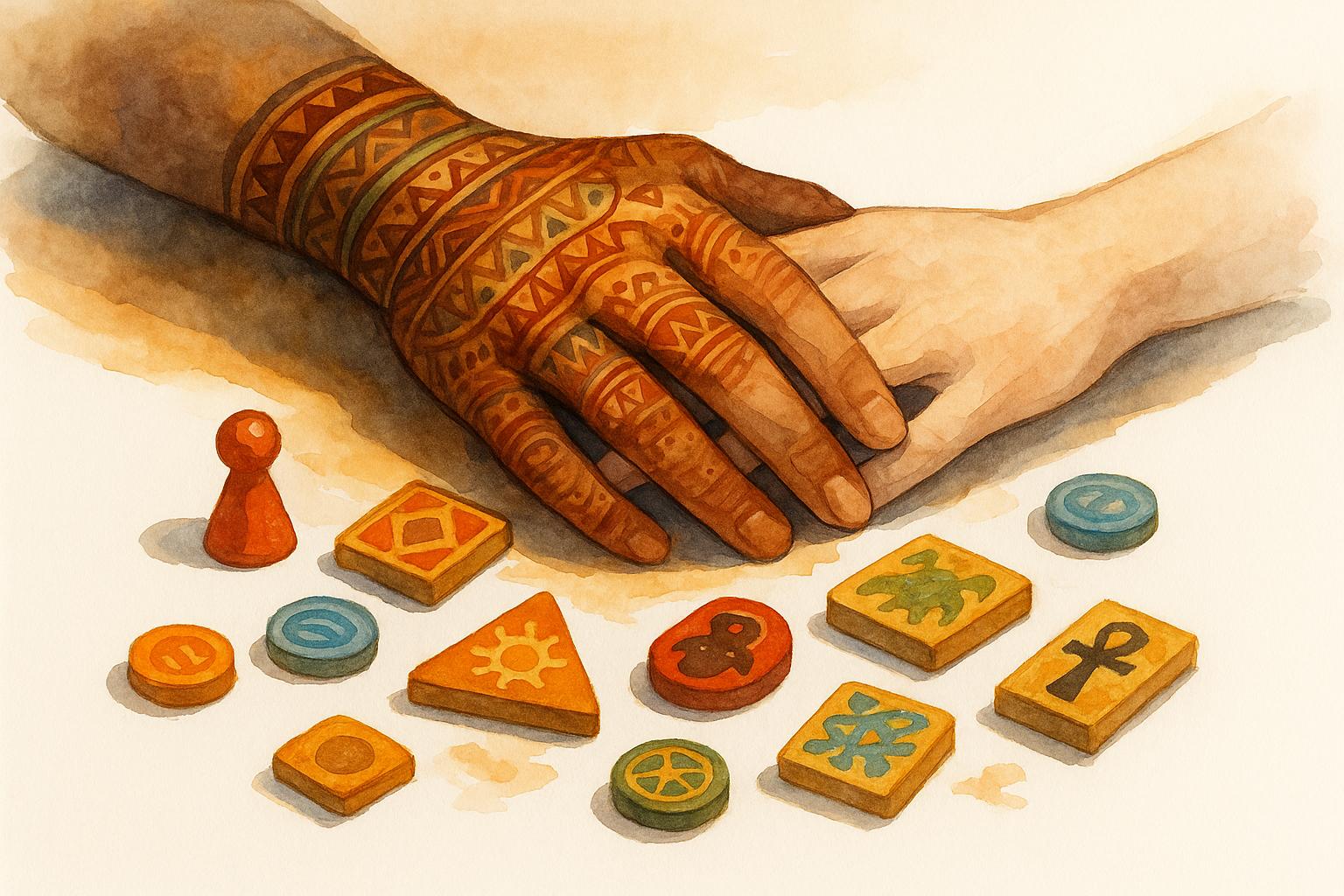
How games portray cultures matters. It can either create a sense of belonging or alienate players. When done right, cultural elements in games celebrate diversity and build connections. But when mishandled, they can reinforce stereotypes and trivialize traditions. The difference lies in intent, process, and respect.
- Representation includes accurate depictions, collaboration with experts, and avoiding stereotypes.
- Appropriation misuses elements without understanding, often for profit or novelty, ignoring their significance.
Games like Coyote & Crow succeed by involving creators from the cultures they depict. On the other hand, titles like Oriental Adventures show the harm of oversimplified portrayals. Designers, publishers, and players all share the responsibility to ensure respectful and accurate portrayals in gaming. By doing so, games can create richer, more welcoming experiences for everyone.
Exotic Games - cultural appropriation in board games (Topic Discussion)
What Is Cultural Representation in Tabletop Games
Cultural representation in tabletop games goes far beyond simply adding diverse characters or decorative elements. It’s about creating accurate, respectful, and thoughtful depictions of different cultures, traditions, and identities within game settings, narratives, and characters. When done right, this kind of representation turns games into more than just entertainment - they become bridges that connect players from various backgrounds.
True representation isn’t just about surface-level inclusion. Whether it’s incorporating samurai themes, Norse mythology, or African-inspired designs, it requires historical accuracy, proper context, and cultural awareness. Cultures are complex and ever-evolving, and they deserve more than just a superficial treatment. These principles are essential to understanding how games can genuinely engage players while respecting the cultures they portray.
When cultural representation is done thoughtfully, it fosters a sense of belonging and validates players’ identities. This recognition helps players feel included rather than excluded. At the same time, it offers others a chance to learn about different perspectives and build empathy through shared experiences. Over time, this kind of representation encourages meaningful cross-cultural connections and strengthens community bonds.
Characteristics of Good Cultural Representation
Respectful cultural representation in tabletop games is built on a few key principles that help distinguish thoughtful portrayals from tokenism or cultural appropriation. The first and most important is accuracy - cultural elements must be portrayed truthfully and within their proper historical and social context [5]. This means understanding not just how something looks but also its deeper significance to the culture it comes from.
Another essential factor is collaboration with cultural experts or community members. When game designers work directly with people from the cultures they’re representing, they gain valuable insights that help ensure cultural elements are treated with the respect and nuance they deserve [5].
Avoiding stereotypes is equally critical. Instead of relying on simplistic or clichéd portrayals, good representation highlights the diversity and complexity within a culture, treating it as a rich and multifaceted entity rather than a monolith [5]. Alongside this, prioritizing agency and voice - giving members of the culture a direct role in shaping how they’re portrayed - helps prevent the misuse or misrepresentation of cultural elements.
Finally, effective representation brings depth and nuance to the table. It portrays cultures not as frozen in time but as dynamic and evolving. This approach reflects the reality that cultures continually grow and adapt, which should be mirrored in how they’re depicted in games [5].
Examples of Effective Representation
The tabletop gaming world has seen some standout examples of cultural representation done right, thanks to collaboration and respectful design practices.
Take Coyote & Crow, for example. Released in 2021 by Coyote & Crow LLC, this RPG was created by a Native-led design team. It imagines an alternate future where colonization never occurred, placing Indigenous voices at the heart of both the game’s design and narrative. By allowing Indigenous creators to tell their own stories, the game avoided the common pitfalls of outsider interpretation and offered a vision that deeply resonated with the communities it represents.
The success of Coyote & Crow highlights an important truth: authentic voices create authentic experiences. Designers from the represented cultures bring insider knowledge and personal investment that external researchers simply can’t replicate. This leads to storytelling that feels genuine and meaningful, rather than performative or shallow.
The industry as a whole is starting to embrace this mindset. More publishers are recognizing the importance of consulting cultural experts to ensure portrayals are both accurate and respectful. Some have even made cultural consultation a standard part of their design process, resulting in games that are not only more inclusive but also more engaging for players from all backgrounds [5]. These efforts show a growing understanding that thoughtful design doesn’t just avoid harm - it actively enhances the gaming experience and fosters cross-cultural understanding [5].
Understanding Cultural Appropriation in Tabletop Games
Cultural appropriation in tabletop games occurs when designers from dominant cultural groups use elements from marginalized cultures in ways that are disrespectful, stereotypical, or lack proper understanding and context. Instead of celebrating or accurately representing these cultures, appropriation often reduces rich traditions into shallow props for entertainment, stripping away their deeper meanings and significance.
The power dynamic is what sets appropriation apart from representation. It specifically involves members of a dominant culture taking elements from groups that have historically been oppressed by that same dominant group. This imbalance often leads to harmful portrayals, as explored further below.
For example, early editions of Dungeons & Dragons, like TSR’s Oriental Adventures, combined diverse Asian traditions into a single, oversimplified stereotype. Rather than showcasing the complexity and diversity of Asian cultures, the game presented a fantasy version that bore little resemblance to the real-world traditions it claimed to draw from.
The lack of diversity within the tabletop gaming industry amplifies this issue. A predominantly white, male design space limits the variety of perspectives and increases the likelihood of relying on stereotypes or misconceptions. When creators don’t share or fully understand the cultural background of the material they’re drawing from, the result is often misrepresentation.
Common Signs of Cultural Appropriation in Games
Certain patterns can help identify appropriation in tabletop games. These include reducing cultures to stereotypes, misusing sacred symbols, and excluding the voices of the people whose cultures are being represented:
- Stereotypes and caricatures: Games like Winnetou portray “wild Comanche Indians” as one-dimensional threats, reinforcing harmful clichés.
- Misusing sacred symbols: White Wolf Games’ Assamite vampires have faced criticism for taking elements from Muslim culture and using them out of context.
- Excluding cultural voices: When game designers fail to collaborate with individuals from the cultures they’re portraying, they strip those communities of agency over their own narratives.
- Exoticizing marginalized cultures: White Wolf’s depictions of Mexico City and Eastern Europe as hubs of “puerile evil” perpetuate damaging stereotypes.
- Merging distinct traditions: White Wolf’s Dreamspeaker mages lump all Indigenous magical traditions into a single category, erasing the diversity within these cultures.
The Harmful Impact of Appropriation
The effects of cultural appropriation extend far beyond the gaming table. For players from marginalized communities, it can feel alienating and dehumanizing to see their cultures reduced to fantasy tropes. When sacred traditions or identities are turned into game mechanics or exoticized settings, it sends a message that these heritages exist solely for others’ amusement.
Appropriation also trivializes histories of oppression by treating deeply significant cultural elements as mere entertainment props. Sacred symbols, traditional practices, and identities that have endured centuries of persecution are reduced to game pieces, erasing the struggles of those who preserved them.
The harm doesn’t stop at personal feelings. Stereotypes perpetuated in games spill into broader society, encouraging superficial interest in a culture while reinforcing prejudiced views against its members. When certain cultures are consistently portrayed through a narrow or negative lens, these portrayals shape how players perceive those groups in real life.
Tabletop games are more than just entertainment - they’re a form of “cultural production” that reflects and influences societal values. Misrepresentations in games don’t exist in isolation; they actively shape how players understand the cultures being depicted. This is particularly concerning in educational or therapeutic settings, where inaccurate portrayals can reinforce stereotypes instead of fostering empathy and understanding.
Finally, appropriation denies marginalized cultures control over their own stories. By taking and misrepresenting cultural elements, games contribute to broader patterns of marginalization that extend far beyond the gaming world. Each stereotypical portrayal adds to a larger system of bias, making it crucial for designers to approach cultural representation with care and responsibility.
sbb-itb-7b84150
Key Differences: Cultural Representation vs. Appropriation
Understanding the gap between cultural representation and appropriation comes down to examining intent, process, and impact. Both involve drawing inspiration from cultural traditions, but they diverge sharply in how designers approach these cultures and the outcomes they create.
At the heart of this distinction lies the concept of power dynamics. Cultural appropriation occurs when elements from a culture - often one that has faced systemic oppression - are taken by members of a dominant group. This imbalance complicates efforts to achieve respectful representation, making it a challenging but necessary goal.
Intent: Respect vs. Exploitation
Intent is a critical factor in distinguishing representation from appropriation. Cultural representation seeks to honor and authentically reflect a culture, often aiming to educate and promote cross-cultural understanding. Designers who approach this process with humility and a willingness to listen can create experiences that celebrate and respect the cultures they draw from. On the other hand, appropriation is often driven by motives such as commercial gain, novelty, or superficial borrowing, with little regard for the culture’s deeper meaning or significance.
Representation vs. Appropriation at a Glance
Aspect
Cultural Representation
Cultural Appropriation
Intent
Honors and includes cultural voices
Exploits for profit or novelty without understanding
Process
Involves research, consultation, and collaboration
Relies on stereotypes and superficial borrowing
Impact
Educates, empowers, and fosters inclusion
Reinforces stereotypes and trivializes culture
Cultural Involvement
Authentically includes cultural voices in decision-making
Excludes or denies agency to originating cultures
Research Depth
Demonstrates a deep understanding of cultural context
Shows a shallow or surface-level grasp
Acknowledgment
Credits origins and cultural significance
Ignores or erases context and origins
Spotting the Line Between Representation and Appropriation
There are clear warning signs that a game may have crossed the line into appropriation. For instance, games that heavily use cultural elements as their primary selling point without proper research or consultation often raise red flags. A lack of consultation, reliance on stereotypes, and shallow borrowing - without crediting the culture’s origins - are all telltale signs of appropriation.
One particularly glaring issue is the use of sacred symbols or spiritual elements without understanding their significance. When these deeply meaningful aspects are reduced to mere game mechanics, it trivializes traditions that hold profound importance for their communities.
Another hallmark of appropriation is the absence of acknowledgment. Games that fail to recognize the origins or significance of cultural elements strip them of their context and meaning. By contrast, respectful representation involves transparency and acknowledgment, helping players appreciate the cultural foundations behind the game.
Finally, the idea of cultural consent has gained traction as a way to ensure more respectful use of cultural elements. This involves seeking permission from cultural groups before incorporating their traditions or symbols into a game. However, this approach can be complicated in practice, especially when elements are used in ways that fulfill a power fantasy rather than granting genuine agency to the culture being represented.
Promoting Respect and Inclusion in Tabletop Games
Creating tabletop games that are respectful and inclusive requires intentional effort, a commitment to authenticity, and a willingness to collaborate. For game designers, the challenge lies in ensuring that representation is meaningful and avoids crossing into appropriation. Achieving this means involving authentic voices, fostering genuine partnerships, and consistently seeking input from the communities being represented.
Best Practices for Game Designers
Respectful cultural representation begins with thorough research and meaningful collaboration. Designers need to go beyond surface-level research by engaging directly with community representatives and cultural experts from the earliest stages of development - not as a last-minute check.
Building diverse creative teams is another essential step. When teams include members from a variety of cultural backgrounds, they bring different perspectives that can identify potential issues and enrich both the story and gameplay. Adding educational tools - like designer notes, historical context, or glossaries - can also deepen players’ understanding of culturally significant elements, helping to avoid stereotypes.
Transparency is equally important. Crediting the origins of cultural elements not only shows respect but also helps players appreciate the cultural roots of their gaming experience.
These strategies naturally tie into fostering collaboration with the broader community.
Building Community Through Collaboration
Involving the community transforms game development into a shared, inclusive process. Publishers and designers can invite feedback from cultural representatives, organize diverse playtesting sessions, and keep communication open throughout development. Many publishers now rely on cultural consultants to review game content before release, ensuring that portrayals are accurate and respectful.
Community events - like weekly game nights, workshops, and playtesting sessions - are powerful tools for inclusion and feedback. For instance, a 2021 survey by Stonemaier Games found that over 60% of respondents believed board games should better represent diverse cultures and identities. These events not only provide valuable insights but also create a sense of belonging, ensuring that all voices are heard and valued.
MINIFINITI’s Role in Promoting Respectful Engagement
Leading by example, companies such as MINIFINITI show how respectful engagement can also foster community growth. Known for creating unique tabletop games like Red Tape, MINIFINITI combines humor and strategy in a way that’s accessible to beginners. This approach lowers barriers to entry, encouraging participation from players of all backgrounds.
MINIFINITI also hosts weekly game nights that bring together players from diverse communities, creating opportunities for social connection and collaboration. These events serve as a space for direct feedback, helping to build an inclusive gaming culture. By emphasizing humor and optimism, MINIFINITI creates a welcoming atmosphere that encourages positive interactions among players.
Measuring the impact of these efforts is crucial. Publishers can use surveys, focus groups, and community feedback sessions to evaluate how well their games represent diverse cultures. Tracking attendance and participation in community events also provides valuable insights into the effectiveness of inclusion initiatives.
These collaborative efforts are key to creating the respectful and inclusive gaming environment that players are increasingly seeking. As the tabletop gaming audience continues to grow and diversify, the demand for authentic cultural representation presents a meaningful opportunity for those dedicated to building richer and more inclusive experiences.
Conclusion: Creating a Respectful Gaming Environment
Understanding the difference between cultural representation and cultural appropriation is key to fostering an inclusive and welcoming tabletop gaming community. Thoughtful representation not only celebrates and educates players about diverse traditions but also builds bridges between communities. On the flip side, cultural appropriation reduces these traditions to stereotypes, alienating the very people they claim to depict.
The gaming industry is at a crossroads, with players increasingly demanding authentic representation while challenging outdated and insensitive portrayals. Games like Coyote & Crow demonstrate how incorporating genuine cultural voices can add depth and richness to storytelling. In contrast, titles like Winnetou highlight the damage caused by perpetuating harmful stereotypes.
Creating a respectful gaming environment is a shared responsibility. Designers must research thoroughly and consult with cultural experts, publishers need to prioritize sensitivity, and players should offer constructive feedback. Together, these efforts can pave the way for more inclusive gaming experiences.
Moving forward requires humility and a commitment to ongoing dialogue. As the tabletop gaming community continues to grow in diversity, embracing respectful representation ensures that everyone feels seen and valued. When cultural elements are handled with care, they not only enhance gameplay but also strengthen the bonds within the gaming community.
FAQs
How can game designers authentically represent cultures in tabletop games?
To genuinely reflect a culture in tabletop games, game designers need to emphasize thorough research and active collaboration. This means diving into the culture’s history, traditions, and values using reliable sources. Even better, work directly with individuals from that culture to ensure the portrayal is both accurate and respectful.
Steer clear of stereotypes or overly simplistic depictions. Instead, aim to showcase the depth and uniqueness of the culture by highlighting elements that celebrate its richness. For instance, rather than leaning on generic clichés, focus on specific traditions or values that make the culture stand out. This kind of thoughtful representation not only makes the game more engaging but also encourages inclusivity and respect among players.
What are some examples of cultural appropriation in tabletop games, and why are they controversial?
Cultural appropriation in tabletop games happens when aspects of a culture are used without proper understanding, respect, or acknowledgment. This often reduces rich traditions to shallow stereotypes. For instance, some games have faced criticism for misrepresenting Indigenous cultures by turning sacred symbols or rituals into mere game mechanics, stripping them of their original meaning. Such practices can be harmful, as they reinforce stereotypes and fail to honor the depth and significance of the cultures they borrow from.
In contrast, thoughtful cultural representation involves genuine collaboration with members of the culture being portrayed. This ensures accuracy, sensitivity, and respect. By taking this approach, games can celebrate diversity in a meaningful way, creating a more inclusive and enriched gaming experience.
How can players encourage respectful cultural representation in tabletop games?
Players can contribute to respectful representation by carefully considering the games they play and the narratives they immerse themselves in. Opt for games developed with input or collaboration from people who belong to the cultures being portrayed - this often reflects a more thoughtful and accurate depiction.
While playing, treat cultural themes with respect and genuine interest, steering clear of stereotypes or humor that could harm or diminish others. If you encounter a game that misrepresents or portrays a culture inaccurately, think about sharing constructive feedback with the creators or discussing it with other players to promote awareness. These mindful decisions can help create a gaming space that values and celebrates diversity.