
Game Talk
Designing the Perfect Tabletop Gaming Venue
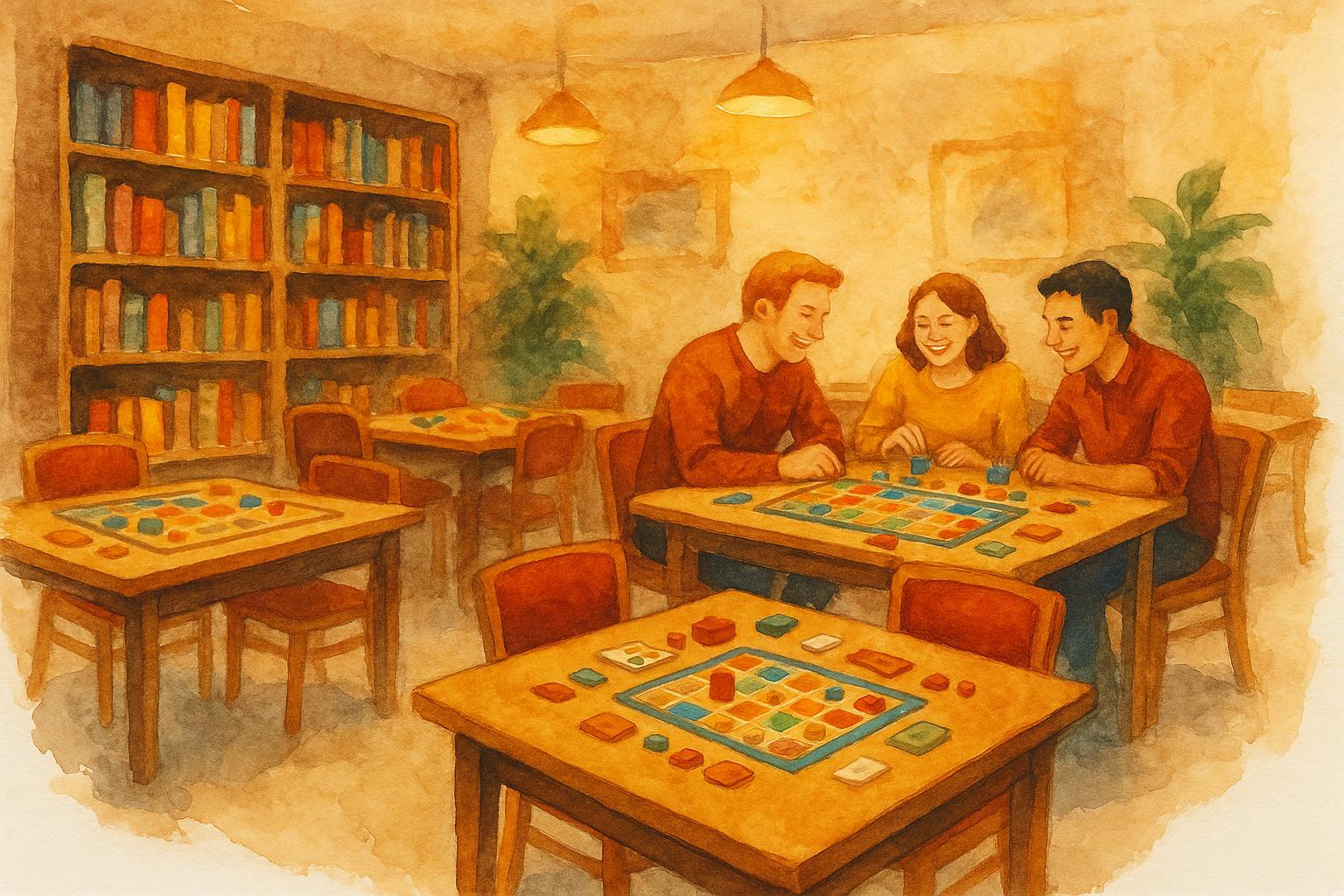
Creating a tabletop gaming venue that stands out means focusing on comfort, functionality, and community. Players want spaces that are welcoming, easy to navigate, and designed for long gaming sessions. Here’s what matters most:
- Comfortable seating and spacious tables: Prioritize ergonomic chairs and tables suited for different group sizes, from small gatherings to large tournaments.
- Effective layout: Ensure clear walkways (36–48 inches wide) for smooth movement and accessibility.
- Lighting and sound: Use dimmable LED lighting for visibility and acoustic panels to minimize noise.
- Game library and events: Offer a mix of games for all skill levels and host regular events like game nights or tournaments.
- Safety and accessibility: Meet ADA standards with wheelchair-friendly spaces, rounded furniture edges, and clear emergency exits.
Building the Ultimate Game Room
Space Layout and Room Planning
Creating a welcoming tabletop gaming hub starts with a thoughtful layout. A well-planned space should cater to everything from casual two-player card games to large tournaments, ensuring comfort and smooth movement for everyone. Let’s dive into how to set up tables for different group sizes and design a layout that works for all.
Table Setup for Different Group Sizes
Tailoring table arrangements to fit group sizes is essential for a great gaming experience. Here’s how to approach it:
- Small Groups (2–4 players): Round or square tables work best here. They create an intimate setting and make it easy for players to access game components. Aim for tables that are 36–48 inches wide, providing enough space for boards, cards, and personal items.
- Medium Groups (5–8 players): Rectangular tables are your go-to for these groups. They offer the extra surface area needed for larger games while giving everyone sufficient elbow room. Modular tables are especially handy - they can be combined or separated based on the group size and your venue’s needs.
- Large Groups and Tournaments: For bigger gatherings, flexible setups are key. Modular tables allow you to create custom configurations, accommodating competitive play that often requires extra room for note-taking, reference materials, and additional components. Adjustable or extendable tables are also a smart choice, letting you expand your layout during busy periods without a full rearrangement.
Movement Paths and Easy Access
A well-organized layout isn’t just about tables - it’s about making sure people can move around comfortably. Keep a clearance of at least 36 inches between tables and main walkways to ensure smooth traffic flow and meet ADA compliance. In high-traffic areas like entrances, restroom corridors, and paths to your game library, consider widening this clearance to 48 inches to avoid bottlenecks.
It’s also helpful to create open spaces where players can stretch, chat, or take a break without disrupting active games. These areas can double as overflow zones during events, accommodating registration tables, prize displays, or spectators. Testing your layout during peak hours will help you spot and fix any congestion points.
Private Rooms vs Open Gaming Areas
Balancing private rooms with open gaming areas allows you to cater to different gaming styles and preferences. Here’s a quick comparison:
Feature
Private Rooms
Open Gaming Areas
Best for
RPGs, long strategy games, immersive sessions
Casual games, social play, quick matches
Atmosphere
Quiet, focused, intimate
Lively, social, energetic
Noise Control
Excellent isolation
Needs active management
Flexibility
Fixed capacity, less adaptable
Easily reconfigurable
Social Impact
Builds close group bonds
Encourages wider community interaction
Private rooms are perfect for focused sessions like role-playing games, where players need minimal distractions. Adding thematic elements - such as dim lighting for horror RPGs or brighter setups for strategy games - can enhance the experience.
On the other hand, open gaming areas are ideal for casual, drop-in play and community-building. These spaces are great for demo games and social interactions, often drawing in newcomers who might feel intimidated by private rooms.
Some venues, like MINIFINITI with its popular weekly game nights, use a hybrid approach. They combine private rooms for reserved, immersive experiences with open areas that encourage interaction and accommodate walk-ins. Movable partitions or modular furniture can make this setup even more adaptable, allowing you to adjust the space throughout the day based on demand.
Understanding your community’s habits is key. By tracking popular games and peak times, you can fine-tune your layout to support a variety of activities while staying flexible for special events or changing needs.
Furniture Selection for Comfort and Function
Choosing the right furniture is essential for creating a space that balances comfort, durability, and practicality - especially for long gaming sessions. Thoughtful storage solutions keep the area tidy and welcoming, while durable materials ensure your furniture stands the test of time.
Picking Tables and Chairs
Once your layout is set, the next step is selecting furniture that fits your venue’s needs.
Modular vs. Fixed Tables: Modular tables are a flexible option, allowing you to adjust your setup for different events. For instance, you can join smaller sections for larger tournaments or separate them for casual card games. While modular systems might require a bigger initial investment, they save you from buying extra tables for every new configuration. On the other hand, fixed tables are ideal for spaces with consistent layouts, like rooms dedicated to RPG campaigns.
Chair Selection for Long Sessions: For extended gaming sessions, ergonomic chairs are a better choice than basic cushioned ones. Cushioned chairs might feel comfortable at first but often lack the support needed for hours of play. Chairs with adjustable height and lumbar support encourage good posture and reduce fatigue, keeping players comfortable.
Look for seating options with adjustable features to accommodate a wide range of players, from teenagers to adults. This inclusivity ensures everyone feels welcome and comfortable.
Storage Options for Games and Player Items
Effective storage solutions are key to maintaining an organized and inviting space.
Built-in Storage Solutions: Built-in cabinets and shelves offer a polished look while saving floor space. Cabinets placed at or near table height can double as spots for drinks or personal items, optimizing your space. Clearly labeling shelves by game type - like strategy games, party games, or RPGs - makes it easier for players to find what they need without staff assistance.
Portable Storage Systems: Rolling carts and portable bins are excellent for venues that host varied events. They make it easy to bring popular games to the tables or clear areas for special occasions. Stackable bins are a great option for seasonal or rotating game collections.
Personal Item Management: Providing small cubbies or hooks near gaming areas for bags, coats, and phones helps keep personal belongings secure and out of the way. This keeps the playing surface clutter-free, enhancing the overall experience.
Furniture Material Comparison
The choice of materials for your furniture can greatly impact durability, cost, and upkeep. Here’s a quick comparison:
Material
Durability
Cost
Upkeep Requirements
Wood
High
Moderate
Needs regular cleaning and occasional refinishing
Metal
Very High
Higher
Easy to clean but may require rust prevention
Composite
Moderate
Lower
Easy to maintain but less durable over time
Wood Furniture offers a classic, cozy feel that’s perfect for RPG groups or strategy game fans. Solid wood tables can handle heavy use but might need occasional maintenance to stay in top shape.
Metal Options are highly durable and easy to clean, making them ideal for high-traffic areas or venues with food service. However, metal may lack the warmth of wood, which could make it feel less inviting.
Composite Materials are a budget-friendly choice, offering decent durability and low maintenance. They’re great for venues testing out different layouts, though they don’t last as long as wood or metal.
To tie everything together, match materials to your venue’s theme. For example, rich wood complements a fantasy-inspired setting, while sleek metal suits a sci-fi vibe. Mixing materials - like using sturdy metal tables in busy areas and wooden furniture in quieter zones - can create a balanced look that meets both functional and aesthetic needs across your space.
Lighting, Sound, and Atmosphere
The right mix of lighting, sound, and decor can turn any gaming venue into an inviting and immersive space. With a thoughtful setup, even a basic game night can feel like an unforgettable event, encouraging players to keep coming back.
Lighting Setup for Clear Visibility
Lighting plays a crucial role in tabletop gaming. Players need to read fine print on cards, examine detailed boards, and jot down notes during long sessions. Striking a balance between functionality and ambiance is key.
Combining Ambient and Task Lighting:
Begin with dimmable LED panels for broad, even lighting that avoids harshness. Then, add adjustable task lights directly over gaming tables. This ensures that every detail - from text to artwork - remains visible without straining players’ eyes.
Smart Lighting for Versatility:
Smart lighting systems let you adjust brightness and color temperature to suit the mood. Bright white light works well for strategy games requiring intense focus, while softer, warmer tones create a relaxed vibe for casual play sessions.
Avoiding Common Pitfalls:
Stay away from harsh fluorescent lights that can cause glare, flicker, and shadows. Instead, opt for steady LED lighting, which provides consistent illumination without overheating. For themed events, portable LED lights can quickly shift the atmosphere as needed.
Sound Control and Noise Reduction
While lighting sets the stage, sound management ensures players stay focused. A well-controlled sound environment keeps distractions to a minimum, creating the ideal space for both strategic discussions and social interactions.
Acoustic Treatments:
To reduce echoes and background noise, install acoustic panels on walls and ceilings. Pair these with fabric-wrapped panels and bass traps to manage mid- and high-frequency sounds from conversations and game activity.
Soft Furnishings and Flooring:
Hard surfaces like tile or concrete can amplify noise from footsteps and moving chairs. Use thick carpets, rubber mats, or other soft furnishings to absorb sound and keep the space quieter.
Zoning for Noise Levels:
Different games thrive in different sound environments. Create separate zones - lively areas for party games and quieter sections for strategy or role-playing games. Weatherstripping doors and windows can block external noise, while light background music can mask distractions without overpowering conversations.
Gaming-Themed Decorations
Once lighting and sound are optimized, themed decor brings the space to life, transforming it into something far more memorable than a typical meeting room. The right decorations can instantly set the tone for your venue.
Custom Artwork and Murals:
Decorate walls with custom artwork featuring beloved game characters, iconic scenes, or imaginative fantasy and sci-fi designs. Themed murals can turn plain walls into immersive settings, while rotating displays - updated seasonally or to highlight specific game genres - keep the space fresh and engaging.
Displays and Props:
Showcase miniatures, rare games, or collectibles on display shelves. These pieces not only celebrate gaming culture but also spark conversations among players. Add unique props like oversized dice, vintage game boards, or fantasy maps to enhance the venue’s personality.
Accent Lighting for Decor:
Use LED strips or spotlights to highlight decorative elements. Themed lighting, such as glowing “magical” crystals or medieval-style lanterns, can further elevate the atmosphere, especially during special events or tournaments.
MINIFINITI’s weekly game nights are a great example of how lighting and decor can foster a sense of community. By coordinating lighting colors and decorations with popular gaming genres - amber tones for fantasy themes or cool blues for sci-fi settings - you can create distinct, immersive zones that captivate players and keep them coming back for more.
sbb-itb-7b84150
Game Collection and Community Building
Creating a thriving community hub goes beyond just setting up a welcoming space. A well-thought-out game library and regular events play a huge role in fostering a sense of belonging. Together, they keep seasoned players engaged while inviting newcomers to explore the world of tabletop gaming.
Building a Varied Game Library
A strong game library should offer something for everyone, catering to a range of skill levels and preferences. It should be a place where beginners feel welcomed and experienced players find new challenges.
Balancing Game Types and Complexity
Stock your library with a mix of board games, card games, and role-playing games (RPGs) to appeal to different tastes and time commitments. Quick party games that wrap up in 15–30 minutes can sit alongside intricate strategy games that take hours to master. Including family-friendly games alongside titles designed for hardcore hobbyists ensures there’s something for every visitor.
Take MINIFINITI, for example. Their game “Red Tape”, priced at $39.99, combines political satire with engine-building mechanics, offering a playful yet strategic experience that’s beginner-friendly. For RPG fans, their “Infinity’s Edge” is a D&D one-shot that’s perfect for conventions or casual campaign breaks, letting players explore paradoxes and infinite combos with ease.
Smart Organization and Display
How you organize your library matters. Use clearly labeled shelves to sort games by type and difficulty, making it easy for players to browse independently. Popular and new releases should be displayed prominently to catch the eye. Clear signage can guide visitors while keeping the space organized and welcoming.
Keeping Your Collection Fresh
Rotate your selection periodically and involve the community in shaping your library. Host playtesting sessions for upcoming titles, gather feedback, and collaborate with local designers for exclusive previews. With the U.S. tabletop games market valued at over $2.5 billion in 2023, there’s no shortage of exciting new games to explore (Statista, 2024). A dynamic library like this sets the stage for the engaging events we’ll discuss next.
Running Weekly Events and Game Nights
Consistent events are the heartbeat of any gaming community. They provide regular opportunities for players to connect, learn, and share their passion.
Creating Structured Social Experiences
Weekly game nights are a proven way to build community. In fact, a 2023 survey by BoardGameGeek found that over 60% of regular tabletop gamers attend game nights or community events at least once a month. These gatherings create a welcoming space for both casual players and dedicated enthusiasts.
Event Variety and Programming
Keep things fresh by offering a mix of event types. Open play nights, tournaments, themed game evenings, and designer showcases can keep the calendar exciting. Demo tables staffed by experienced players are especially helpful for introducing new games and easing newcomers into the hobby.
Building Long-Term Engagement
Collaborate with local game designers and publishers to host playtesting sessions, game launches, and exclusive previews. Digital tools like Discord and email lists can extend the sense of community beyond in-person events. MINIFINITI, for example, uses these platforms to keep players engaged between game nights.
Event Pricing Options
Choosing the right pricing model is key to balancing accessibility for players with the financial sustainability of your venue. Here are some common approaches:
Pricing Model
Typical Cost
Pros
Cons
Per Person
$5–$15/event
Simple and flexible
Costs can add up for frequent attendees
Per Table
$20–$40/session
Ideal for groups; offers privacy
Less flexible for solo players
Membership
$29.99–$49.99/month
Unlimited access and perks
Requires upfront commitment
Per-Person and Per-Table Models
Charging per person works well for casual drop-ins and newcomers who want to try things out before committing. On the other hand, per-table pricing is great for groups that value guaranteed space and privacy. Many venues charge $5–$15 per person or $20–$40 per table for a 3–4 hour session.
Membership Programs for Regular Players
Monthly memberships, often priced around $39.99, encourage regular attendance by offering unlimited access to games and events. These programs typically come with perks like retail discounts, priority event registration, and early access to new titles. Tracking metrics like event attendance and game checkouts can help fine-tune your pricing strategy.
Adding Value Through Bundling
Boost your offerings with bundled deals that combine entry fees with snacks, beverages, or retail discounts. Loyalty programs and tiered memberships can also add value while keeping pricing competitive. Regularly review your pricing based on customer feedback and attendance data to strike the right balance between affordability and sustainability.
Access and Safety Planning
When designing a gaming venue, it’s not just about the layout or furniture - it’s about creating a space where everyone feels welcome and secure. With 1 in 4 U.S. adults living with a disability, accessibility and safety aren’t just nice-to-haves; they’re essential for fostering a truly inclusive community. These measures go hand in hand with earlier design decisions, ensuring the space is both functional and inviting.
Meeting ADA Requirements
The Americans with Disabilities Act (ADA) outlines clear standards to ensure that individuals with disabilities can fully participate in events and activities. Meeting these requirements isn’t just about compliance - it’s about building a space where everyone can engage equally.
How to Implement ADA Standards
Start with the basics: wheelchair-accessible entrances, doorways at least 32 inches wide, and walkways with a minimum of 36 inches of clearance. Tables should offer enough space for wheelchair users, with at least 27 inches of height, 30 inches of width, and 19 inches of depth. Don’t overlook restrooms and emergency exits - these should also be fully accessible.
Staff training is equally important. A well-trained team can make all the difference in creating an inclusive environment. They should know how to assist guests with disabilities effectively, ensuring everyone feels supported. Many gaming centers across the U.S. have found that prioritizing accessibility not only improves customer satisfaction but also encourages repeat visits. For example, venues hosting major events like Nashville Tabletop Day regularly conduct accessibility audits and train staff to handle emergencies.
Safety Features for Furniture and Space
Safety should be a top priority, especially in a bustling gaming environment. Thoughtful furniture choices and spatial planning can help prevent accidents and ensure a comfortable experience for everyone.
- Rounded Edges: Opt for tables with rounded corners to avoid cuts and bruises during crowded sessions.
- Stable Fixtures: Secure tall furniture and use weighted bases to prevent tipping when players lean on tables.
- Non-slip Flooring: Install textured surfaces to reduce the risk of falls, particularly in high-traffic areas.
- Emergency Exits: Keep pathways to exits clear and well-marked, with emergency lighting in place for added visibility during power outages.
Safety Feature
Purpose
Implementation
Rounded Table Edges
Prevents cuts and bruises
Choose furniture with smooth, curved corners
Stable Fixtures
Reduces tipping hazards
Anchor tall items and use weighted bases
Non-slip Flooring
Minimizes fall risks
Use textured flooring in busy areas
Clear Emergency Exits
Ensures quick evacuation
Maintain unobstructed pathways with clear signage
Emergency Preparedness
A safe venue is a prepared venue. Stock accessible fire extinguishers, first aid kits, and prominently display emergency contact information. Regular safety drills and inspections keep both staff and guests ready for unexpected situations. Training staff in basic first aid and evacuation procedures is another must-have for handling emergencies effectively.
Signs and Navigation
Clear signage can transform a potentially chaotic space into one that’s easy to navigate, allowing players to focus on the fun instead of figuring out where to go.
Creating Effective Signage
Use large, high-contrast fonts and universal symbols for easy readability. Place signs at eye level to guide visitors to key areas like gaming zones, restrooms, exits, and emergency equipment. For visually impaired guests, include Braille and tactile signs to ensure they can navigate independently. Additional tools like floor markings, wall-mounted maps, and digital displays can streamline navigation and even provide real-time updates on available tables or upcoming events.
During events, conduct regular checks to ensure pathways remain clear and compliant with ADA standards. For larger gatherings, temporary barriers or stanchions can help control traffic flow and prevent congestion near popular areas.
Conclusion: Main Points for Your Venue Design
Creating a standout tabletop gaming venue comes down to mastering four key elements that shape an exceptional gaming experience. First, layout and comfort are essential. Think spacious tables that cater to groups of all sizes, ergonomic chairs built for long gaming sessions, and clear pathways that allow guests to move around with ease.
Next, the ambiance plays a huge role in setting the right tone. Layered lighting that can shift from dim for immersive mystery games to bright for strategy-focused sessions adds versatility. Combine this with effective sound control to keep noise comfortable and themed decorations that immerse players in different worlds, and you’ve got a space that feels truly special.
Community building is what transforms casual visitors into loyal regulars. Stock a diverse game library with everything from timeless classics to modern favorites, and host regular events like game nights or tournaments. These shared experiences foster connections that keep people coming back.
Finally, a venue that prioritizes inclusivity and safety strengthens its community ties. Features like ADA-compliant accessibility, clear signage, and secure design elements ensure every guest feels welcome and safe.
A well-designed venue isn’t just a place to play games - it becomes a hub for the local gaming community. By investing in quality furniture and fostering a welcoming atmosphere, you’ll not only encourage repeat visits but also inspire word-of-mouth buzz. When thoughtful design meets a focus on community, your venue becomes far more than just a gaming space - it becomes a cornerstone of your local gaming culture.
FAQs
What should I consider when designing a welcoming and accessible tabletop gaming venue?
Creating a welcoming and accessible tabletop gaming venue takes careful planning to ensure everyone feels at ease. Start with accessibility - design your space to accommodate those using mobility aids. This means having wide pathways, adjustable seating options, and restrooms that are easy to access. Don’t overlook lighting and acoustics, as these can make a big difference in helping players focus and communicate effectively.
To create a warm and inviting atmosphere, invest in comfortable furniture and arrange the layout to encourage social interaction. Adding thematic decor or customizable elements can elevate the experience, giving the space a more immersive feel. Hosting regular events, like weekly game nights, can also help build a strong sense of community - similar to the way MINIFINITI brings people together through engaging and social gaming experiences.
What’s the best way to balance private rooms and open gaming areas in a tabletop gaming venue?
To craft a venue that resonates with all kinds of players, it’s essential to balance private rooms with open gaming spaces. Private rooms offer a quieter, more secluded environment for groups seeking focused gameplay, while open areas foster social interaction and a lively community atmosphere.
Think about your audience’s preferences when dividing the space. Private rooms might be ideal for longer, strategy-driven games, giving players the focus they need. Meanwhile, open areas can cater to casual players, drop-ins, or events like weekly game nights. This combination ensures there’s something for everyone, making the space inviting and inclusive.
How can I keep my game library exciting and appealing for both beginners and experienced players?
To keep your game library engaging, aim for a blend of different styles and skill levels. Include games that are simple and quick to pick up for newcomers, alongside more intricate options that seasoned players can sink their teeth into. Refresh your collection regularly with new titles or standout games that bring something different to the table. And don’t overlook the value of feedback - listening to what your community enjoys can help you curate a library that truly resonates with them.