
Game Talk
How to Design Cooperative Board Games: 6 Key Tips
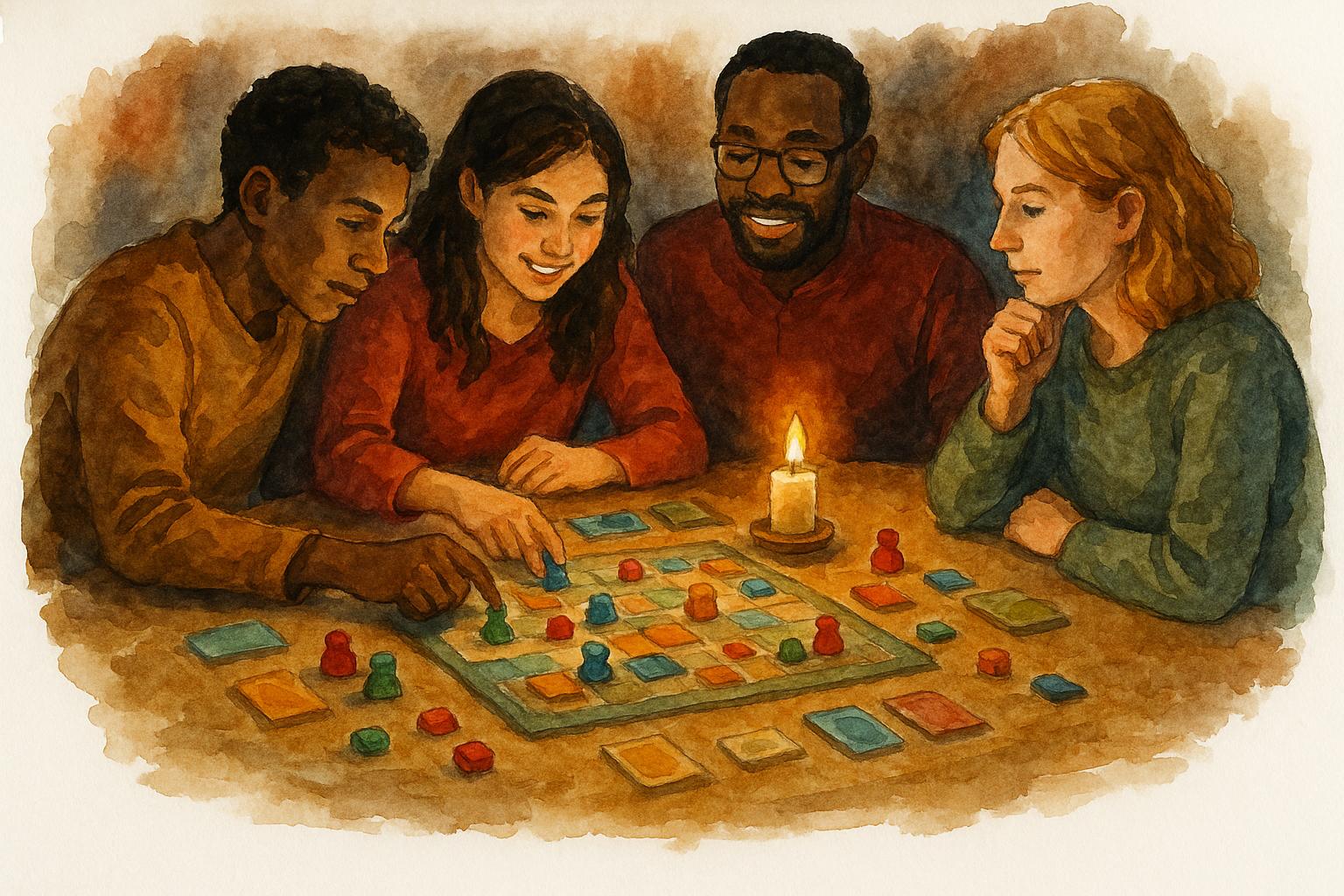
Cooperative board games have seen a meteoric rise in popularity over the last decade. Titles like Pandemic have pioneered the genre, offering players the opportunity to unite against a common challenge instead of competing against one another. But designing a truly engaging cooperative game presents unique challenges. How do you ensure players collaborate meaningfully? What mechanics keep the gameplay dynamic and rewarding?
Matthew Dunston, a seasoned board game designer with over 60 published titles, shares his expertise on crafting cooperative games. Drawing from his own projects, including Roll for Adventure, Minecraft Explorers, and Professor Evil and the Citadel of Time, Dunston outlines six critical principles to consider when designing your own cooperative masterpiece.
Why Cooperative Games Matter
Cooperative board games flip the traditional game structure on its head. Instead of pitting players against one another, they foster teamwork, communication, and strategy. This genre appeals to socially active individuals who value connection and shared experiences, making it ideal for friends, families, and casual gamers alike. The best cooperative games create memorable stories, build camaraderie, and challenge players to think collectively.
But designing a standout cooperative experience is no small feat. Below, we explore Dunston’s six design principles to help you create games that are as rewarding as they are innovative.
1. Foster Meaningful Cooperation
At the heart of any cooperative game lies the question: Why do players need to work together? The mechanics should encourage collaboration and make teamwork essential for success. It’s not enough for players to simply coexist; they must rely on one another to achieve common goals.
In Roll for Adventure, players pool their dice to retrieve “stones of power” while simultaneously managing threats from enemies. Dice placement is a shared responsibility, and individual contributions are rarely enough to complete tasks. As challenges intensify, collaboration becomes even more critical, requiring players to strategize collectively and anticipate each other’s needs.
Key Design Takeaway: Ensure your game mechanisms make solo play impractical. Players should feel that they achieve more as a group than they could alone.
2. Give Players Unique Roles and Powers
To create a sense of identity and ownership within the group, give players unique abilities or roles that only they can fulfill. This enhances engagement and ensures each player feels like an integral part of the team.
In Professor Evil and the Citadel of Time, each character has unique powers represented by a personal deck of cards. As players learn their abilities, they become better at maximizing their impact. For instance, some characters excel at movement, while others specialize in flipping switches - a critical aspect of the game’s core mechanics. This differentiation not only enriches gameplay but also highlights the importance of each player’s contribution.
Key Design Takeaway: Incorporate roles, powers, or abilities that make players feel distinct and essential to the team’s success.
3. Introduce Competing Goals and Prioritization
A single, linear objective can make cooperative games feel repetitive or “on rails.” Instead, offer players multiple goals that require prioritization and trade-offs. Some objectives may directly lead to victory, while others serve as sub-goals that mitigate risks or provide future benefits.
Consider Minecraft Explorers, where players must balance gathering resources, completing objectives, and managing mobs (enemies). Ignoring mobs speeds up the game’s timer, creating a constant tension between pursuing long-term goals and addressing immediate threats. Similarly, in Professor Evil, players must decide which treasures to save and which to sacrifice, knowing that time and actions are limited.
Key Design Takeaway: Introduce competing objectives. Force players to make tough decisions about where to allocate their resources and attention.
4. Use Controlled Randomness to Enhance Challenge
Randomness can breathe life into a cooperative game, introducing unpredictability and forcing players to adapt. However, too much randomness can make strategic planning feel futile, leading to player frustration. The key is controlled randomness: random elements should disrupt plans without invalidating them entirely.
In Roll for Adventure, enemies are drawn from a deck with a clear distribution of ranks. Players can anticipate the likelihood of high-risk enemies appearing, which influences their strategies. Similarly, in Minecraft Explorers, players know the general probabilities of items or dangers appearing within specific biomes, giving them clues about what to expect.
In Professor Evil, randomness is more chaotic, as the titular professor moves unpredictably based on dice rolls. Yet this unpredictability adds personality to the game, making the professor feel like a real antagonist players must contend with.
Key Design Takeaway: Randomness should surprise players but still allow for informed decision-making. Strike a balance between chaos and control.
5. Create Opportunities for Learning and Mastery
The best cooperative games offer players a sense of growth and mastery. By introducing subtle layers of complexity, games can reward repeat playthroughs, allowing players to develop new strategies and improve over time.
Dunston highlights Roll for Adventure as an example of a game with a steep yet rewarding learning curve. At first, new players might struggle to manage their dice efficiently. Over time, they learn how to maximize each turn, anticipate the needs of their teammates, and balance short-term actions with long-term goals.
Similarly, in Minecraft Explorers, players gradually master the game’s biome-specific mechanics, learning which resources to prioritize and how to minimize risks.
Key Design Takeaway: Build a learning curve into your game. Early losses should feel like learning experiences, motivating players to try again with improved strategies.
6. Introduce Adjustable Difficulty Levels
To extend the life of your game, include mechanisms for scaling difficulty. This ensures that players remain challenged as they grow more skilled. Adjustable difficulty can take many forms: increasing the number of objectives, introducing tougher enemies, or adding new mechanics.
For example, in Roll for Adventure and Minecraft Explorers, difficulty increases by requiring players to complete more objectives. Meanwhile, expansions for Professor Evil introduce new challenges, such as additional antagonists or mechanics that complicate player strategies.
Key Design Takeaway: Offer scalable difficulty levels to keep the game fresh and engaging for players of all skill levels.
Key Takeaways
- Encourage Teamwork: Design mechanics that make collaboration essential. Avoid creating puzzles that a single player could solve alone.
- Distinguish Player Roles: Give players unique skills or powers to ensure everyone contributes meaningfully.
- Provide Strategic Depth: Include multiple competing goals that encourage prioritization and tough decision-making.
- Balance Randomness: Use controlled randomness to introduce surprises without negating player strategies.
- Reward Mastery: Build a learning curve that motivates players to improve through repeat play.
- Scale Difficulty: Include ways to adjust the game’s challenge, keeping it engaging for both novices and veterans.
Final Thoughts
Designing a successful cooperative board game requires a careful balance of strategy, randomness, and player interaction. By fostering meaningful collaboration, offering distinct player roles, and introducing layered challenges, you can create an experience that is both engaging and replayable.
Matthew Dunston’s insights remind us that the best cooperative games aren’t just about winning or losing - they’re about the stories players tell and the memories they create together. Whether you’re an aspiring designer or a seasoned creator, these principles can help guide you toward crafting a game that brings people closer while challenging their collective wits.
So, gather your ideas, rally your team, and start designing the next great cooperative experience. Who knows? Your game might just become the next Pandemic.
Source: “How I design cooperative games” - Matthew Dunstan, YouTube, Aug 28, 2025 - https://www.youtube.com/watch?v=0_0qr_Tar0U
Use: Embedded for reference. Brief quotes used for commentary/review.