
Game Talk
Memory vs. Strategy: Balancing Gameplay
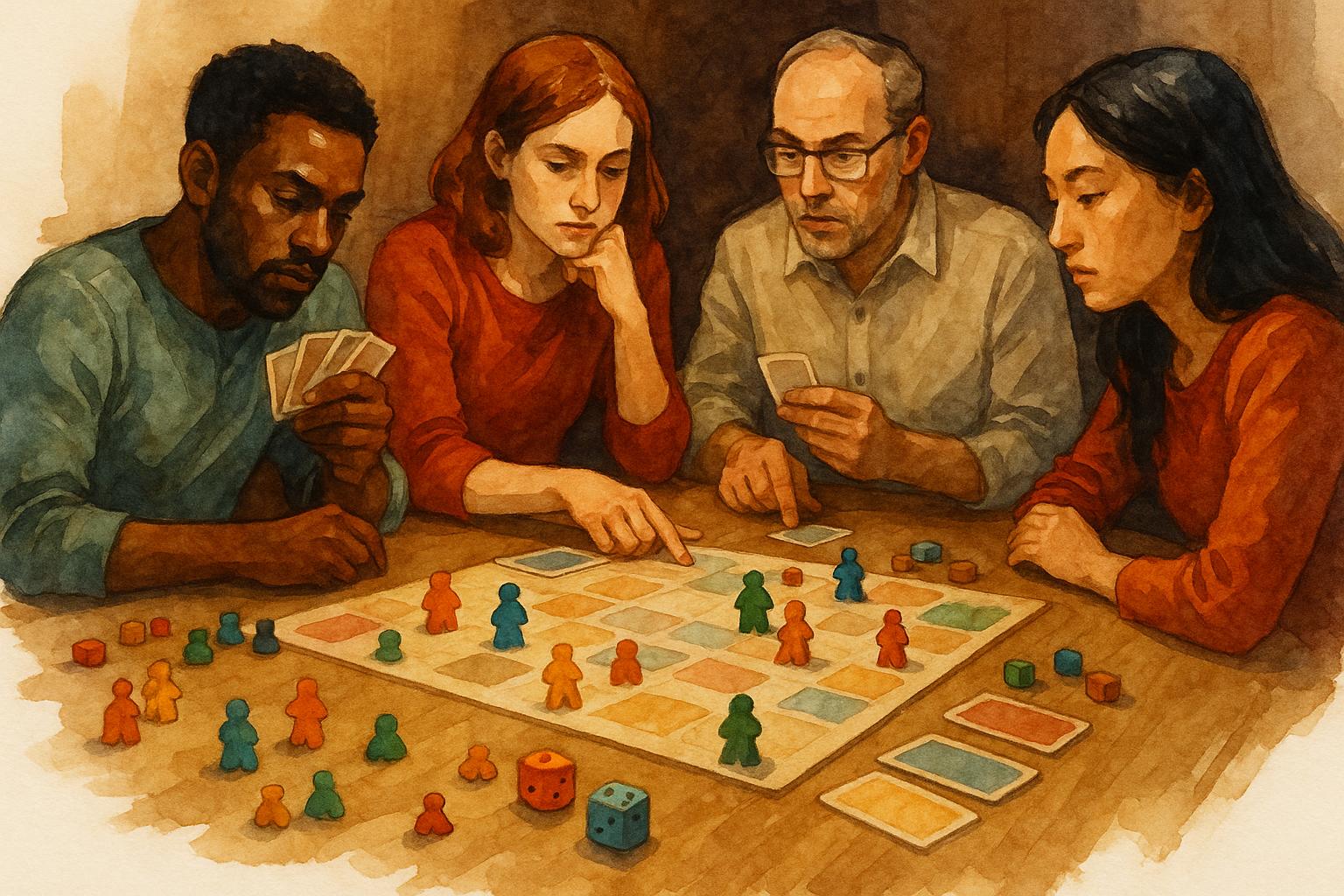
When it comes to tabletop games, your brain juggles two key skills: memory and strategy. Memory helps you recall past moves, opponent actions, or game details, while strategy focuses on planning ahead and making calculated decisions. The best games combine these elements, offering challenges that cater to different strengths.
- Memory relies on remembering key details, like card positions or past moves, and adds tension and unpredictability to games.
- Strategy emphasizes long-term planning, resource management, and adaptability, rewarding players who think several steps ahead.
- Together, these create engaging experiences, allowing players with different skills to shine.
Modern game designers, like MINIFINITI, blend memory and strategy in clever ways. For example:
- “Red Tape” mixes quirky rules and decision-making for a humorous, fast-paced experience.
- “Infinity’s Edge” challenges players with paradox puzzles and combo-building in a D&D-style adventure.
These games highlight how combining memory and strategy can make gameplay more dynamic, improve cognitive skills, and encourage social interaction. Whether you excel at remembering details or crafting clever plans, the balance of these elements ensures everyone has a role to play.
How to Design a MEMORY Board Game
How Memory Affects Gameplay
Memory brings a fascinating layer to tabletop games, turning them into engaging mental challenges. Whether it’s recalling an opponent’s moves or piecing together a puzzle sequence, memory makes every win feel well-deserved.
It also ramps up the tension. Forgetting just one key detail can completely shift the outcome, keeping players on their toes and adding an edge of anticipation.
Memory Mechanics in Games
Memory mechanics challenge players to remember and use details to craft strategies and predict outcomes. They’re the backbone of many beloved games.
Take the classic game “Memory” (or “Concentration”), for example. Players flip cards to find matching pairs, relying entirely on their ability to remember where each card is. The simplicity of this mechanic creates genuine suspense as players race to outwit each other by recalling card positions.
In “Simon”, the stakes rise with every turn as players repeat increasingly complex sequences of lights and sounds. This game doesn’t just test memory - it demands focus and composure under mounting pressure.
Then there’s “Codenames”, where memory fuels social deduction. Players must track previous clues, avoid repeating mistakes, and build on earlier associations to steer their team toward victory. It’s a brilliant example of how memory can enhance teamwork and strategy.
But memory isn’t just about gameplay - it’s a powerful tool for sharpening mental skills.
Cognitive Benefits of Memory Games
Playing memory games isn’t just fun; it’s like a workout for your brain. Regular play can improve working memory, concentration, and decision-making skills.
For instance, remembering card placements in “Spot It!” or piecing together clues in “Sherlock Holmes: Consulting Detective” hones the same mental processes we use in everyday life - whether it’s following directions, juggling priorities, or picking up new skills.
Memory games also offer a kind of mental reset. The focus they demand can feel almost meditative, while the social aspects of gameplay add emotional benefits. They’re not just exercises in memory - they’re moments of connection and stress relief.
Educators have caught onto this too. Memory games are now being used to make subjects like history or vocabulary more engaging, offering a fun alternative to traditional study methods.
Memory-Based Game Examples
The variety of memory-based games out there proves how this mechanic can suit all kinds of players. For instance:
- “Spot It!” focuses on quick visual recognition and recall, challenging players to spot matching symbols in a fast-paced race. Since 2022, it’s sold over 10 million copies worldwide.
- “Hanabi” mixes memory with teamwork. Players work together to create stunning firework displays, relying solely on the clues they remember from teammates. This inventive approach earned it the Spiel des Jahres award in 2013.
- “Memoir ‘44” combines historical strategy with memory. Players must recall unit positions, previous moves, and command cards to outthink their opponents, blending memory with tactical planning.
- “Sequence” offers a lighter challenge, blending moderate memory use with strategic card play. It’s great for groups of 2–12 players, making it a hit at family gatherings or game nights.
What’s more, memory games are perfect for mixed-age groups. Simple games like “Memory” can be scaled down for younger players, while complex titles like “Sherlock Holmes: Consulting Detective” provide rich challenges for seasoned gamers. This flexibility ensures that everyone - regardless of age or skill - can join in and enjoy.
These examples show how memory isn’t just a supporting act in games; it’s a key player, setting the stage for deeper strategy and collaboration.
How Strategy Affects Gameplay
Strategy transforms tabletop games into intricate mental challenges that require long-term planning and adaptability. Unlike memory-based games, where success often depends on recalling specific details, strategy games demand players to think ahead and make calculated decisions.
When strategy takes the spotlight, every move becomes a step toward future success. Whether it’s managing resources, predicting opponents’ actions, or setting up delayed combos, the focus is on crafting a plan that pays off over time.
What makes strategy games so engaging is their open-ended nature. While memory games often have clear right or wrong answers, strategy games present multiple paths to victory. This creates tension as players juggle immediate rewards against long-term goals, often unsure of their success until the very end.
Let’s break down what strategy means in the world of tabletop gaming.
What Strategy Means in Tabletop Games
In tabletop games, strategy is more than just making good moves - it’s about weaving together a series of decisions that align with a long-term goal. Unlike tactics, which are about reacting to immediate situations, strategy involves setting broader objectives and shaping the game’s direction over multiple turns.
At its core, strategic thinking in games revolves around three main elements: resource management, adaptive planning, and foresight. Players must allocate limited resources - like cards, money, or action points - while staying flexible enough to adjust their plans based on opponents’ actions and shifting game dynamics.
Resource management plays a huge role here. Every choice comes with an opportunity cost, meaning that spending resources in one area often means sacrificing another. This forces players to carefully weigh their options and prioritize what matters most.
Skills Needed for Strategy Games
To excel in strategy games, players need to hone several key skills. These games are like mental gyms, sharpening both cognitive and social abilities. One of the most crucial skills is foresight - the ability to think several moves ahead and anticipate how current decisions might shape future opportunities.
Organization is another essential skill. In complex games, players often juggle multiple factors at once: tracking their resources, monitoring opponents’ strategies, recalling past moves, and planning ahead - all while adapting to new developments.
Critical thinking and problem-solving are constantly at play as well. Players must evaluate different scenarios, identify the most effective paths forward, and adjust their strategies as needed. For instance, games like MINIFINITI’s Infinity’s Edge challenge players to tackle paradoxical puzzles like Hilbert’s Hotel and Zeno’s Arrow while building intricate combos that bend logic.
On the social side, strategy games encourage players to develop negotiation and communication skills. Whether it’s reading an opponent’s intentions, managing the flow of information, or even engaging in a bit of strategic bluffing, these interactions mirror real-life dynamics and offer valuable lessons.
Research backs up the benefits of these games, showing that they enhance executive functioning skills like planning, organization, and working memory. They also promote flexible thinking and adaptability, which are useful both in games and beyond.
Strategy-Based Game Examples
Some standout examples of strategy games include Dominion and Terraforming Mars. These games require players to think several steps ahead, manage their resources wisely, and adapt to evolving game conditions.
7 Wonders combines historical themes with strategic card play, challenging players to balance immediate needs with long-term goals, while Carcassonne uses tile placement mechanics to reward thoughtful planning and resource optimization.
Other games, like Power Grid, test economic strategy and bidding skills as players compete to build efficient power networks. Meanwhile, Pandemic emphasizes cooperative planning, requiring teams to work together to tackle global crises.
What truly sets these games apart is their replayability. The mix of resource management and adaptive decision-making ensures that no two playthroughs are identical. Players refine their strategies with each session, learning from past mistakes and discovering new approaches.
Modern strategy games are also exploring fresh territory by blending humor and creativity with complex decision-making. For example, MINIFINITI’s designs show that strategic depth doesn’t have to come at the expense of accessibility or fun. These hybrid games appeal to a broader audience, offering something for both seasoned players and newcomers alike.
Ultimately, the allure of strategy games lies in the satisfaction of outthinking opponents through careful planning. They reward patience, thoughtful analysis, and the ability to spot opportunities others might overlook - making every win feel like a hard-earned triumph.
sbb-itb-7b84150
Balancing Memory and Strategy
Expanding on earlier discussions about memory and strategy mechanics, this section dives into how these two elements work together in gameplay. The most engaging games find a way to combine memory and strategy, creating a richer and more dynamic experience. This balance turns gameplay into a layered challenge, catering to a variety of cognitive strengths.
By blending memory and strategy, games tap into the diverse abilities of players. This diversity not only enhances group play but also ensures that everyone can contribute in their own way. Let’s take a closer look at how these elements interact during play.
How Memory and Strategy Work Together
Memory and strategy are tightly connected in tabletop games. To make strategic decisions, players often rely on their ability to remember past moves or predict their opponents’ behaviors. On the flip side, memory tasks gain more significance when they directly influence tactical choices. Take Sequence, for example: players must recall card placements while simultaneously planning their moves to create winning patterns.
This interaction between memory and strategy shapes gameplay by emphasizing the importance of key information. A great example of this balance can be seen in MINIFINITI’s designs. Their game Red Tape reinvents engine-building mechanics in a way that’s approachable for beginners, allowing players to outthink each other without feeling overwhelmed. Meanwhile, Infinity’s Edge combines paradox-solving puzzles with infinite combo-building, seamlessly merging memory challenges with strategic depth.
Cognitive Load and Player Preferences
Cognitive load - the mental effort required to process information and make decisions - has a huge impact on how enjoyable a game feels. Games that demand both memory and strategy can be invigorating for some players but overwhelming for others. While some players thrive on managing multiple streams of information, others prefer focusing on one skill at a time. To accommodate these differences, designers use tools like clear rules, visual aids, and reference materials to reduce mental strain. They also include modular features that let players adjust the emphasis on memory or strategy.
Finding the right balance is crucial. If a game is too easy, players may lose interest, but if it’s too challenging, frustration can take over. The table below highlights the key differences between memory-focused and strategy-focused games, which can help explain why hybrid designs often appeal to a wider audience.
Memory vs. Strategy Comparison
Aspect
Memory Games
Strategy Games
Cognitive Skills Required
Recall, pattern recognition, concentration
Planning, risk assessment, critical thinking
Accessibility
High – easy to learn and suitable for all ages
Moderate to low – may require more experience or skill
Replay Value
Moderate – can become repetitive
High – offers varied outcomes and deeper tactics
Social Interaction
Often cooperative, fostering teamwork
Can be competitive or cooperative, encouraging debate
Typical Game Length
Short to moderate
Moderate to long
This comparison highlights why games that blend memory and strategy often find success. They combine the inclusivity and ease of memory games with the depth and replayability that strategy enthusiasts crave.
Memory-based games tend to create inclusive environments where players of different skill levels can participate meaningfully. These games often encourage teamwork and strengthen social bonds through shared recall. On the other hand, strategy games reward patience and analytical thinking, offering satisfying moments when a complex plan comes together. They also spark lively debates as players negotiate and outmaneuver each other.
Modern game designs, like those from MINIFINITI, skillfully integrate these elements to keep players engaged. For instance, Hanabi challenges players to coordinate strategies while remembering critical details, and Magic: The Gathering pushes players to manage intricate interactions and think several steps ahead. The future of tabletop gaming seems to lie in finding creative ways to merge memory and strategy, delivering experiences that grow alongside players’ abilities.
Designing Games for Different Players
Game design that welcomes players of all abilities celebrates the diverse ways people think and engage. By acknowledging strengths in areas like memory or strategy, this inclusive approach creates experiences where everyone can contribute and feel valued. It shifts gaming away from a “one-size-fits-all” model to something that embraces variety.
Research backs up this approach. In a study involving 234 children aged 8 to 10, games that combined memory and strategy were shown to improve verbal, visuospatial, and mathematical skills.
Building Creativity and Connection
When memory and strategy come together in gameplay, something magical happens - it sparks creativity and fosters connection. Players are challenged to think outside the box, often leading to unexpected solutions, laughter, and lively conversations. This dynamic not only makes games more engaging but also encourages teamwork and communication.
Take games like Sequence, where players must track opponents’ moves while planning their own strategies, or Hanabi, which requires players to coordinate strategies and recall crucial details. These games thrive on collaboration, as success hinges on players sharing information and leaning on each other’s strengths.
The benefits of this teamwork go beyond the game itself. When players with different cognitive strengths work together, they learn to appreciate varying problem-solving approaches. For instance, someone with sharp memory skills might spot patterns that help a strategic thinker prioritize the group’s next steps. This interplay of skills enriches the experience for everyone.
MINIFINITI’s Balanced Game Design
MINIFINITI has taken these principles of cognitive diversity and applied them to their game design. Their game Red Tape showcases this philosophy with its clever, snarky cards and reimagined engine-building mechanics that cater to players of all skill levels.
Another standout from MINIFINITI is Infinity’s Edge, a D&D one-shot adventure. Players tackle paradoxes like Hilbert’s Hotel and Zeno’s Arrow while creating infinite combos. This game seamlessly combines memory and strategy, challenging players to recall complex logical relationships while crafting innovative solutions.
By designing games with adjustable difficulty and mechanics that value a range of skills, MINIFINITI creates experiences that are both accessible and deeply engaging. Their focus on beginner-friendly gameplay that still offers strategic depth ensures that these games grow alongside players as their abilities develop.
This inclusive approach doesn’t just entertain - it builds lasting social connections and reflects a growing trend toward games that bring people together, regardless of their individual strengths.
FAQs
How do memory and strategy games improve cognitive skills and encourage social interaction?
Memory and strategy games are an excellent way to boost brainpower while connecting with others. These games push players to think critically, remember details, and plan their next moves, all of which help sharpen problem-solving and decision-making skills.
What’s more, playing with others adds a layer of social interaction. From teamwork to friendly competition, these games encourage communication and create opportunities for shared experiences. Whether you’re plotting your next move or testing your memory, they strike a great balance between mental challenge and social fun.
What are some tabletop games that blend memory and strategy effectively, and how do they do it?
Tabletop games that strike the right mix of memory and strategy offer players a unique challenge: remembering critical details while planning their next move. Take Red Tape, for instance - a game that uses humor and strategic elements to keep players on their toes. It demands sharp memory skills to recall key details while navigating tricky, often hilarious scenarios. This balance ensures the gameplay remains lively and unpredictable.
These games pull it off by weaving together mechanics like hidden information, pattern recognition, and tactical decision-making. Players need to remember past moves or clues to stay ahead, while their strategy dictates how to adapt and outthink their opponents. The result? A gameplay experience that’s equally satisfying for casual gamers and those with a competitive edge.
How can game designers make memory and strategy elements enjoyable for players of all experience levels?
Game designers can make memory and strategy elements enjoyable for a wide range of players by finding the right balance between challenge and ease of play. This involves creating straightforward rules, providing optional hints or reminders, and incorporating mechanics that can adjust to different skill levels.
For instance, games that mix humor with strategic depth can draw in newcomers while still keeping seasoned players engaged. By focusing on designs that inspire creativity, teamwork, and dynamic thinking, designers can craft experiences that are both entertaining and satisfying for players from all walks of life.