Game Talk
Are NFTs the Future of Tabletop Games?
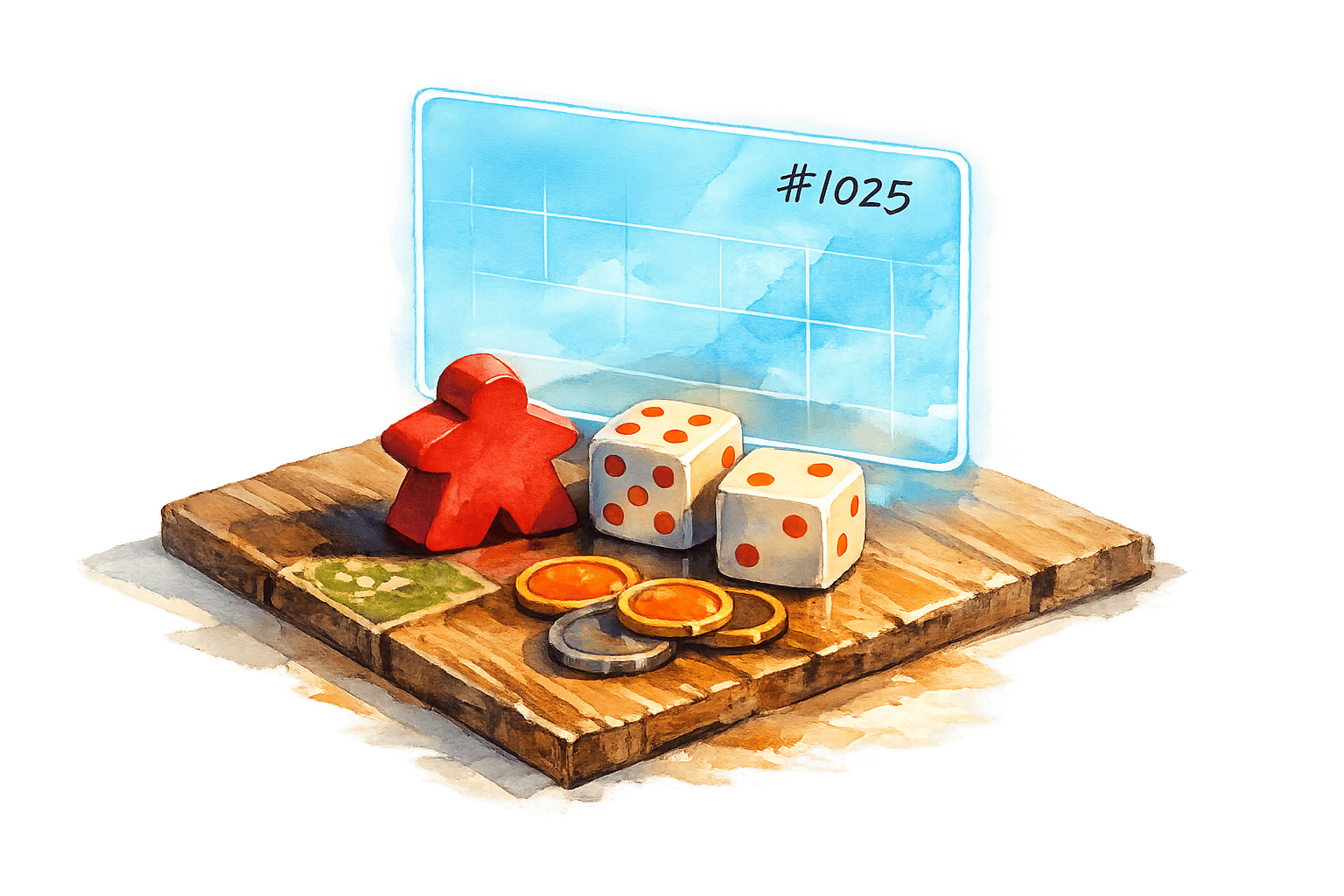
NFTs could change how tabletop games are played by offering digital ownership of game assets, like cards or characters, stored on a blockchain. This technology ensures items are permanent, tamper-proof, and tradeable, even if a game shuts down. Players can also track rarity and ownership history, adding a new layer of transparency. However, there are challenges: high costs, technical barriers, and concerns about profit motives overshadowing gameplay. Critics also point to environmental issues and scams as significant risks.
While NFTs promise benefits like player-driven economies and blending physical and digital gameplay, they face hurdles like legal complexities, security risks, and market volatility. Developers need to focus on simplifying blockchain use, ensuring fair play, and addressing player concerns to make NFTs a viable addition to tabletop games.
Problems with Adding NFTs to Tabletop Games
Technical Issues
The technical demands of blockchain technology clash with the fast-paced requirements of gaming. Blockchain transactions take seconds per block, but gaming actions often need to happen in milliseconds. This makes fully on-chain gameplay impractical for now. To work around this, developers rely on hybrid systems where asset ownership is managed on the blockchain, but gameplay elements like combat, physics, and character development remain off-chain to avoid performance bottlenecks.
Another hurdle is gas fees. Every on-chain action - like leveling up a character or updating stats - requires a fee, which can range from $0.50 to $15.00 depending on network traffic. For example, in April 2022, Gripnr announced plans to mint 10,000 D&D-inspired “NFT-PCs” on the Polygon blockchain. However, the project faced backlash because players would need to pay gas fees for every character level-up, raising concerns about potential exploitation.
The idea of moving assets between games sounds appealing but is extremely complex to execute. Different games rely on unique engines, art styles, and coding frameworks, creating compatibility issues. For instance, a 2021 project required crafting four separate versions of a single asset to work across platforms like Decentraland, The Sandbox, and Gala Games. The smart contract then had to determine which version to use based on the platform. These challenges make cross-game asset portability far from seamless.
For players unfamiliar with NFTs, these technical barriers can make the experience even more daunting.
Player Knowledge and Acceptance
The steep learning curve of blockchain technology - managing seed phrases, paying gas fees, and approving transactions - makes onboarding difficult for many players. This is compounded by a history of high-profile scams, which have fueled distrust. In one notable incident, hackers stole $625 million from the blockchain supporting Axie Infinity, wiping out earnings for numerous players, many of whom depended on the game for income in countries like the Philippines.
NFTs are also often seen as tools for speculation and greed, which turns players off. There’s a fear that integrating NFTs into games will shift the focus from enjoyment to grinding for profit, a phenomenon some call “playbour.” A similar issue arose in 2019 when Blizzard Entertainment introduced a “Real Money Auction House” in Diablo 3, allowing players to trade items for cash. It was shut down after just one year because it prioritized profit over fun, with many players feeling the game had lost its essence. Researcher Joshua Foust summed it up well:
The incorporation of NFTs into games only further conditions participation on using a complex, difficult-to-understand financial instrument
Adding to the skepticism is the volatility of the NFT market. By late 2023, roughly 95% of all NFTs were deemed worthless. Trading volumes plummeted from a peak of $4 billion to around $800 million in just one year. This unpredictability makes players hesitant to invest time or money in assets that could lose all value overnight.
Legal and Security Issues
On top of technical and user challenges, there are also legal and security concerns that complicate NFT adoption.
One major issue is ownership rights. Buying an NFT doesn’t automatically grant ownership of the intellectual property tied to it. Most NFTs come with limited licenses that allow the asset to be used or displayed within specific contexts. A high-profile example occurred in September 2022, when Quentin Tarantino attempted to sell excerpts from the Pulp Fiction screenplay as NFTs. Miramax filed a lawsuit, arguing they owned the rights to the film and screenplay, and the case was eventually settled confidentially.
Tax regulations add another layer of complexity. The IRS treats NFTs as property, meaning transactions can trigger capital gains taxes. If an NFT is held for over a year, it may be taxed as a “collectible” at rates as high as 28%. Additionally, under the Infrastructure Investment and Jobs Act, any digital asset transaction exceeding $10,000 must be reported to the IRS.
Finally, smart contract vulnerabilities pose serious risks. Coding errors can lead to permanent loss or theft of assets, and unlike traditional databases, blockchain transactions are often irreversible. If an NFT points to an off-chain server and that server fails or the link is compromised, the NFT could become useless - a token pointing to nothing. These risks make security a significant concern for players and developers alike.
sbb-itb-7b84150
Are NFT Card Games the Future of Collectible Trading Card Games? (TCG/CCG)
Benefits NFTs Can Bring to Tabletop Gaming
Traditional vs NFT-Based Game Assets: Key Differences in Ownership and Trading
While NFTs come with their share of challenges, they also introduce new possibilities that could reshape the way tabletop games are played and experienced. These benefits revolve around true asset ownership, player-driven economies, and merging physical and digital play.
Real Ownership of Game Assets
One of the most groundbreaking changes NFTs bring is the concept of true ownership. In traditional games, players don’t actually own the assets they use - they’re merely licensing them. If a game server shuts down or the company goes under, those assets disappear. NFTs, however, are stored in a player’s personal blockchain wallet, ensuring ownership remains independent of any developer or platform.
This ownership is permanent. Assets minted as NFTs stay in a player’s wallet indefinitely, with the blockchain verifying their scarcity and history. As David Schiller and Chris Skillicorn from Enjin Blog explain:
In digital card games, you don’t actually own your cards - you’re just given access to them from a central server via a license
This transparency enhances value, especially in secondary markets. For example, if a card was once owned by a famous player or used in a championship, its entire history is verifiable. To put this into perspective, Magic: The Gathering - a game with over 20,000 unique cards - saw one rare Beta card sell for $511,000.
Another major perk is immutability. Once an NFT is created with specific traits or abilities, it cannot be arbitrarily altered or weakened by developers. This protects players from losing value due to changes like “nerfing.” Ethereum co-founder Vitalik Buterin famously highlighted this issue when his World of Warcraft character was nerfed:
I cried myself to sleep, and on that day, I realized what horrors centralized services can bring
This permanence ensures that players won’t lose their investments due to server closures or unexpected developer decisions.
Player-Run Economies
NFTs also enable player-driven economies. Instead of being confined to trading within a game’s closed system - or risking shady third-party sites - players can buy, sell, and trade assets on open, transparent marketplaces. This creates real-world value for the time and effort players invest in their games.
Take Gods Unchained as an example. In July 2019, its developer, Fuel Games, generated $4 million in revenue from pre-sales of NFT cards before the game even officially launched. Robbie Ferguson, cofounder of Fuel Games, summed it up well:
Blockchain allows players to monetize their time
Developers also stand to gain. Through smart contracts, studios can earn a percentage of every secondary market sale, creating a sustainable revenue stream that extends far beyond the initial sale. Projects like Aavegotchi have taken this further, rewarding their community with over 1.5 million $GHST tokens while enabling trades of in-game items and rare avatars.
Feature
Traditional Digital Assets
NFT-Based Assets
Ownership
Licensed from developer
Fully owned by player
Trading
Limited/Gray market
Open, transparent markets
Scarcity
Artificial/Unlimited
Verified on blockchain
Value
No real-world resale value
Real-world token value
Combined Digital and Physical Gameplay
NFTs also help bridge the gap between physical and digital gaming. Imagine a physical game piece - like a miniature - linked to an NFT that unlocks augmented reality features, online play, or cross-platform compatibility. This creates a seamless connection between your physical collection and your digital identity.
Another exciting possibility is interoperability. NFTs aren’t restricted to a single game or ecosystem. For example, a character miniature could be used across multiple games that support the same token standard. This means a single purchase could unlock both physical and digital versions of an asset, or even allow a character to carry stats across different campaigns and systems. By blending physical and digital elements, NFTs enhance gameplay and make adoption easier for players.
Technical Solutions for Adding NFTs
Incorporating NFTs into tabletop games demands thoughtful design choices. The trick lies in keeping the blockchain’s complexity hidden while still leveraging its strengths, like ownership and trading. The best setups use blockchain for what it excels at while ensuring gameplay stays fluid and responsive.
Combined On-Chain and Off-Chain Systems
A hybrid model is often the go-to solution, splitting responsibilities between on-chain and off-chain systems. Blockchain handles asset ownership, trading, and scarcity rules, while gameplay mechanics like physics, AI, and progression remain off-chain. This division ensures gameplay runs in milliseconds per frame, avoiding the delays of blockchain’s seconds-per-block processing time.
As Daydreamsoft puts it:
The blockchain becomes a source of truth for ownership, while the game server remains authoritative for gameplay
For turn-based tabletop games, the “tracing paper” model is a clever approach. Player decisions are logged on-chain for later verification, but the game state is only checked at the end of a turn. This minimizes gas fees while keeping the process transparent.
Storage costs are another big consideration. Storing data directly on Ethereum can cost around 20,000 gas per 32 bytes. In October 2022, Relic Protocol cut costs significantly by compressing images (e.g., converting PNGs to WebP and using SVG filters). This reduced asset sizes from 400kB to just 23kB. Additionally, storing data in contract code rather than state storage slashed deployment costs from 300 ETH to about 1.2 ETH at 20 Gwei gas prices. Such optimizations are crucial for games with extensive asset libraries, like hundreds of unique cards or miniatures.
Feature
On-Chain Handling
Off-Chain Handling
Game Logic
Scarcity rules, minting, trading
Physics, AI, combat, movement
Data Storage
Ownership records, IDs, hashes
Metadata, high-res assets, UI
Performance
Seconds-per-block (Latency)
Milliseconds-per-frame (Real-time)
These strategies ensure a balance between blockchain security and smooth gameplay.
Easy-to-Use Wallet Systems
One of the biggest hurdles for NFT adoption is the user experience. Asking players to manage seed phrases or use external wallets like MetaMask can be a dealbreaker. Enter Wallet-as-a-Service (WaaS), which integrates wallet functionality directly into the game.
With WaaS, players can log in using familiar platforms like Google or Twitter, bypassing the need for detailed crypto knowledge. Features like Account Abstraction (ERC-4337) allow gasless transactions, where developers cover fees, and transaction batching, which combines multiple actions into a single signature. This eliminates interruptions caused by blockchain confirmations.
Currently, fewer than 1,000,000 players engage with fully on-chain games. Simplifying interfaces is crucial to attract the broader audience of traditional tabletop gamers. As one developer aptly said:
The goal is to hide blockchain complexity unless the player explicitly chooses to interact with it
By focusing on simplicity, developers can bridge the gap between blockchain and mainstream gaming.
Smart Contract Design for Security and Rewards
After addressing data handling and wallets, the next step is designing secure smart contracts. These contracts power NFT ownership but must be carefully crafted to prevent exploits and ensure fairness. Start with the Ownable pattern, which uses an onlyOwner modifier to restrict administrative functions like minting or setting royalties to authorized creators. Adding emergency pausing logic acts as a safeguard, allowing developers to halt operations in case of bugs or bad actors. Proxy patterns are also essential, enabling upgrades to contracts without disrupting existing ownership.
For rewards, smart contracts excel by automating distribution. They can instantly award unique NFTs for completing missions or winning tournaments, ensuring transparency and eliminating manual intervention. This is especially useful in organized play settings - imagine championship winners automatically receiving verifiable, tradeable trophy cards. To keep transactions lightweight, store large metadata on decentralized platforms like IPFS or Arweave instead of on-chain. Avoid relying solely on client-side state to prevent exploits like asset duplication; server-side validation is a must.
For games involving hidden elements, such as concealed unit positions, consider commit/reveal patterns. Players commit to their moves secretly and reveal them later for verification. This preserves the strategic depth tabletop gamers love while maintaining blockchain’s transparency where it matters most.
Addressing Player Concerns and Legal Requirements
While technical solutions are essential for integrating NFTs into gaming, tackling player concerns and legal challenges is just as important. Players need to trust the system, clearly understand what they’re purchasing, and feel assured that the game remains fair. Meanwhile, developers must navigate a complex web of legal obligations.
Building Player Trust Through Transparency and Education
Skepticism is one of the biggest hurdles. Many tabletop gamers see NFTs as scams or confusing tech jargon unless their purpose and benefits are made crystal clear. The first step to overcoming this skepticism is transparency. Developers should clearly outline what players are actually buying when they purchase an NFT. As one expert puts it, “From a legal standpoint, an NFT should be thought of as a basket of rights bestowed upon the NFT holder, rather than a singular piece of acquired property”. By defining these rights upfront and providing straightforward FAQs, developers can reduce misunderstandings and avoid backlash.
Shifting the narrative from speculative investments to practical benefits is equally important. For example, gaming assets made up about 25% of total NFT trading volume as of early 2026. Players need to understand the tangible perks of NFTs, such as verifiable scarcity, cross-game compatibility, and progression tied to their characters. Blockchain’s immutable ledger ensures provable uniqueness and authenticity. Plus, offering security tutorials - like how to set up wallets and avoid phishing scams - can further build confidence. This kind of educational effort naturally ties into the need for clear legal frameworks and operational transparency.
Legal Compliance and Transparent Practices
Educating players is just one piece of the puzzle; ensuring legal compliance is another cornerstone of building trust. For example, the IRS treats NFTs as property, meaning every transaction - whether it’s a sale, resale, or exchange - could trigger capital gains taxes, sometimes at a collectibles rate as high as 28%. Developers need to inform players about these tax implications and recommend keeping detailed transaction records. Additionally, under the Infrastructure Investment and Jobs Act, developers might be considered “brokers” and required to file Form 1099-B for certain transactions.
Another key challenge is securities regulation. If NFTs are marketed with promises of “passive income”, the SEC might classify them as securities under the Howey Test. To avoid this, developers should emphasize gameplay utility over investment potential. Embedding lawyer-reviewed license URIs directly in NFT metadata can also ensure players have a verifiable record of their rights.
Developers must also comply with anti-money laundering (AML) regulations and OFAC sanctions, which prohibit transactions with Specially Designated Nationals. High-value NFT transactions exceeding $10,000 are subject to additional scrutiny. Transparency about costs, royalties (typically 5–10% on secondary sales), and marketplace fees (ranging from 0.5–2.5%) is essential to maintaining trust.
Balancing Fair Gameplay with NFT Integration
Fair play is just as critical as technical and legal measures. A major risk with NFTs is the potential to create a pay-to-win dynamic. To avoid this, NFTs should enhance the tabletop experience without giving players unfair advantages. For instance, NFTs could be limited to cosmetic features like unique card art, custom miniature skins, or special dice designs - offering a sense of ownership and collectibility without disrupting game balance.
For NFTs that impact gameplay, developers can focus on effort-based rewards. Dynamic NFTs (dNFTs), for example, could evolve based on player achievements. Imagine a soldier miniature leveling up to a knight after a series of victories - this rewards skill and engagement rather than financial investment. Using verifiable randomness can also ensure fair distribution of rare items or loot boxes.
To curb speculation, developers can implement measures like time-locks on initial resales or caps on the number of NFTs a single wallet can purchase. However, when incorporating loot boxes or chance-based mechanics, caution is crucial. If NFTs hold real-world value, these mechanics could be classified as gambling. The ultimate goal should always be to reward player engagement and enhance the overall gaming experience.
The Future of NFTs in Tabletop Games
Steps for Adding NFTs to Your Game
To successfully integrate NFTs into your tabletop game, consider using a hybrid system. This approach separates ownership and trading, which are stored on-chain, from gameplay logic, physics, and progression, which remain off-chain. Why? It keeps the game responsive and avoids the high costs often associated with blockchain transactions. As one developer wisely noted:
“The smartest implementations treat blockchain as invisible infrastructure - not a marketing feature”.
Opt for a Proof of Stake blockchain like Sui, Polygon, or Flow. These options are known for lower energy consumption and reduced transaction fees. To keep NFTs lightweight and adaptable, store their metadata on decentralized platforms like IPFS. This ensures flexibility without compromising ownership.
Ease of use is critical. Simplify blockchain interaction by using embedded wallets that support standard login methods. This eliminates the need for players to manage seed phrases or worry about gas fees. A practical example is the 2024 game XOCIETY, which runs on the Sui blockchain. By allowing players to log in via the Epic Games Store, the game achieved a Day 14 retention rate of 48%, far surpassing industry norms.
These technical strategies establish a robust foundation for secure asset ownership and meaningful player rewards.
Long-Term Ownership Models with NFTs
NFTs bring a new level of permanence to digital assets. Unlike traditional game items, NFTs are stored in players’ private wallets and can’t be altered or deleted without their consent. This durability strengthens the player-driven economies mentioned earlier, where in-game accomplishments translate into lasting value.
Dynamic NFTs (dNFTs) offer a unique twist by evolving based on gameplay. Imagine a miniature soldier leveling up to a knight after a series of victories, with this transformation recorded directly on the blockchain. This “play-to-progress” approach rewards authentic engagement, steering away from financial speculation.
Smart contracts also enable programmable secondary markets, where developers can earn a percentage - typically 5–10% - from every resale. This ensures ongoing revenue while aligning the interests of developers and players. When a player’s NFT gains value through genuine gameplay achievements, everyone benefits. However, it’s essential to avoid overemphasizing the financial aspect. As the XOCIETY team put it:
“No one asks what cloud Netflix runs on. Blockchain should be the same”.
The focus should remain on solving practical issues like fairness and rewards, not on making the technology the centerpiece.
Balancing Innovation with Tradition
While NFTs offer exciting possibilities, they should enhance - not overshadow - the core elements of tabletop gaming. The heart of these games lies in social interaction, improvisation, and shared storytelling. Use blockchain to support cosmetic upgrades, ensure fairness in competitive play, or record memorable achievements, but don’t let financial incentives dictate the gameplay experience.
The role of technology is to support the game, not dominate it. Prioritize immersive experiences that bring players together over shared adventures, letting NFTs work quietly in the background to manage ownership and rewards.
Finally, environmental concerns are top of mind for many players. Transitioning from Proof of Work to Proof of Stake blockchains can cut energy consumption by over 99%. D&D writer Teos Abadia captured this sentiment well:
“D&D is amazing with a pencil and paper. We don’t need to harm the planet to play”.
FAQs
Do I really own an NFT game asset, or just a license?
When it comes to owning an NFT game asset, it often boils down to the legal terms laid out by the game. In most cases, you’re given a license to use the asset, rather than outright ownership. Full ownership is only granted if the terms and conditions specifically spell it out. It’s crucial to carefully review the legal documentation to fully understand what rights you actually have.
How can NFT tabletop games avoid pay-to-win?
NFT tabletop games can steer clear of the dreaded pay-to-win trap by crafting fair systems for how assets are created, distributed, and managed. This approach helps keep in-game economies from becoming exploitative. Instead of turning NFTs into profit-driven tools, they can be used to enhance gameplay in meaningful ways. The secret lies in establishing clear rules and balanced mechanics, ensuring the experience remains enjoyable for everyone at the table.
What happens to my NFTs if the game shuts down?
If a game shuts down, your NFTs could lose their functionality or even become inaccessible, particularly if they rely on the game’s servers or platform to operate. There have already been instances where NFTs with embedded software stopped functioning after the associated game or platform was discontinued. To minimize this risk, make sure you understand where and how your NFTs are stored and whether they depend on external systems to remain usable.