
Game Talk
Checklist for Designing Culturally-Inspired Games
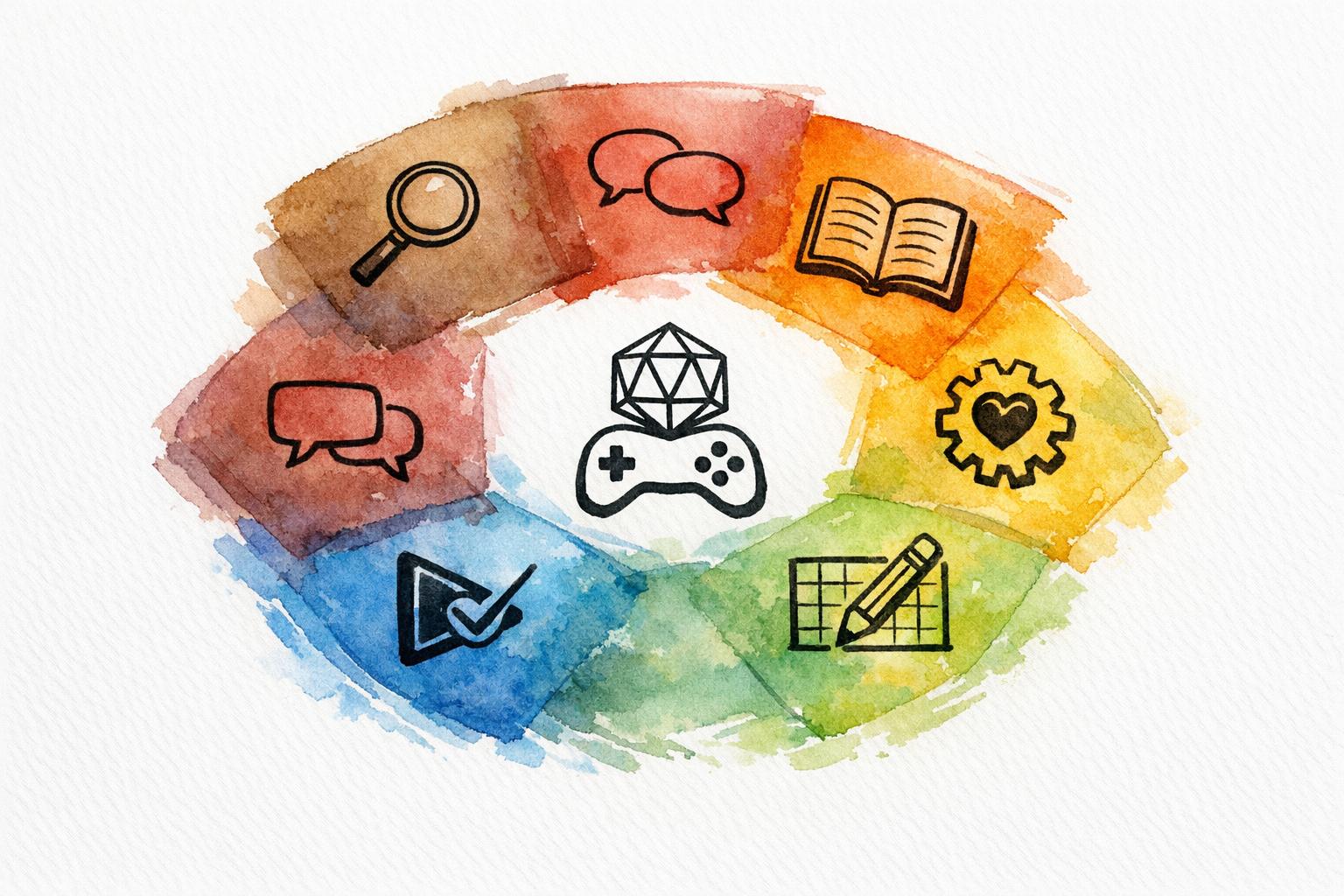
Designing games inspired by cultures requires care and responsibility. Missteps can lead to stereotypes or alienation, but thoughtful representation creates meaningful, immersive experiences. Here’s how to do it:
- Research deeply: Study traditions, beliefs, and daily life. Use primary sources and consult experts to avoid inaccuracies.
- Collaborate with experts: Work with cultural consultants and sensitivity readers throughout development to refine details and avoid pitfalls.
- Layer your design: Start with visible aspects like clothing and food, then connect them to values, norms, and beliefs for depth.
- Balance respect with creativity: Avoid direct replicas; instead, reinterpret elements while honoring their essence.
- Integrate themes into gameplay: Tie cultural elements to mechanics, making them essential to the player experience.
- Playtest widely: Test with people from the culture to ensure respect and accuracy, and revise based on feedback.
6-Step Process for Designing Culturally-Inspired Games
Leveraging Games in the Fight to Protect Local Cultures
sbb-itb-7b84150
Step 1: Research the Source Culture
Before diving into game design, take the time to deeply understand the source culture you’re representing. A surface-level understanding just won’t cut it. Thorough research ensures you’re portraying the culture with respect and accuracy, requiring you to dig into multiple aspects of cultural life. This groundwork is critical for identifying and incorporating the key elements that make a culture unique.
Study Core Elements
Focus on the fundamental aspects of the culture - social structures, daily routines, and belief systems. Social and governance structures reveal how communities organize themselves, whether through kinship systems, consensus leadership, or other frameworks that differ from the monarchies often seen in traditional fantasy games. Daily life brings authenticity to your game, so explore food traditions, clothing, and everyday activities that reflect how people live and interact. Don’t forget to delve into belief systems and oral traditions, such as folklore and non-sacred mythology, which illuminate how communities preserve history and pass down values through storytelling.
“Diversity encompasses the wide spectrum of human differences, including (but not limited to) race, ethnicity, gender, sexual orientation, age, religion, socioeconomic status, and disability” - Kimberly Voll, Co-Founder of Thriving in Games Group.
Use Primary Sources and Experts
Secondary sources can only take you so far. For a deeper understanding, work with Indigenous scholars, historians, cultural leaders, and local community members. Historical texts, literature, and artifacts provide essential insights into the cultural context and significance of traditions. Consulting these primary sources allows you to identify and address common misconceptions - like the myth of straight-bladed ninja swords or the idea of unarmed Japanese monks - that could harm your game’s credibility.
“Our teams include people from various backgrounds… we acknowledge it’s impossible for internal teams to reflect all needed perspectives, so we engage with external consultants and experts to help us responsibly portray diverse experiences and cultures” - The Digital Thriving Playbook.
Account for Environmental Factors
Geography plays a massive role in shaping culture. Climate, natural resources, and terrain influence everything from architecture and cuisine to social norms and artistic expression. Understanding how a culture interacts with its environment - whether through sustainable practices, climate-adapted building designs, or resource use - helps explain why certain traditions developed, not just what they are.
“Games encode cultural identity through objects: textiles, signage, architecture, food items, and soundscapes” - Rami Hassan, Senior Editor at videogamer.news.
Step 2: Work with Consultants and Sensitivity Readers
To ensure your game’s design respects and reflects the culture it draws from, you need more than just research. Collaborating with cultural consultants and sensitivity readers brings invaluable expertise, helping you move past surface-level depictions to create content that resonates with and supports the communities you’re representing.
Hire Knowledgeable Consultants
The first step is to decide whether your project requires a generalist or a specialist focused on a specific cultural area. Look for consultants with strong academic backgrounds - such as degrees in Religion, Eastern Classics, or Literature - and experience working with established companies like Wizards of the Coast, Riot Games, or Jackbox Games.
The right consultants don’t just offer feedback - they actively contribute ideas and inspiration. They help shape your material, guiding research and thematic development. For example, in 2024, Riot Games collaborated with cultural consultant James Mendez Hodes to assemble a team of international experts for Teamfight Tactics: Inkborn Fables. This ensured the game’s Asian-inspired content was both meaningful and accurate. Many consultants also offer flexible fee structures, making their expertise accessible to indie developers and large studios alike. Engaging these professionals early in the development cycle allows you to refine your ideas and make thoughtful design choices from the start.
Get Feedback Throughout Development
Once you’ve brought experts on board, their involvement shouldn’t stop at the initial stages. Regular feedback throughout the development process is essential. From brainstorming to final iterations, consultants can help integrate cultural insights into every aspect of the game. This ongoing collaboration makes it easier to address potential issues early, ensuring that cultural representation is thoughtfully embedded in your game’s core design.
If consultants identify problematic elements, be ready to make substantial changes rather than relying on disclaimers. A notable example comes from April 2022, when Stonemaier Games faced criticism for including conquistadors Hernán Cortés and Francisco Pizarro in their Viticulture World expansion. Despite initial feedback warning against their inclusion, the studio proceeded with a disclaimer. After reviewers Amy and Maggie of ThinkerThemer highlighted the harm of featuring such figures, founder Jamey Stegmaier took responsibility. The company replaced the controversial characters with Isidora Goyenechea and Don Silvestre Ochagavía Errázuriz, distributing free replacement cards to all customers and retailers.
“A cultural consultant or sensitivity reader joins you during (ideally, early in) your creative process to ensure your project not only doesn’t offend, but also supports and validates the people you’re talking about.”
– James Mendez Hodes, Cultural Consultant
Step 3: Build a Framework in Layers
Using your research and insights from consultants, you can now create a framework that organizes cultural elements into actionable layers. This approach ensures that visible aesthetics are deeply connected to the traditions, taboos, and values of the culture you’re portraying. By layering these elements thoughtfully, you avoid oversimplifying rich cultures into flat, one-dimensional portrayals.
Document these layers into a detailed cultural brief. This brief should outline sacred, contemporary, and blended motifs, serving as a guide for your entire development team. It ensures that everyone understands how to incorporate cultural elements respectfully and purposefully throughout the project.
Surface-Level Details
Begin with the visible aspects of the culture - things like food, clothing, art, music, housing, and work. These are the first details players will notice, but they can’t exist in isolation. For example, a desert-based society might feature lightweight, flowing garments and preserved food dishes, while a coastal community might showcase intricate fishing nets and seafood-rich cuisine. These surface-level details should work together to create a cohesive visual identity that supports the culture’s overall framework.
Social Norms and Values
Next, delve into the societal structures and behaviors that shape daily life. This layer includes family dynamics (e.g., nuclear families versus extended clans), trade systems, power hierarchies, and cultural taboos. Understanding how power flows - whether through caste systems, merit-based structures, religious authority, or elite groups - adds depth to your world. Explain the reasoning behind these norms. For instance, if a culture has food-sharing rituals rooted in historical resource scarcity, weave that logic into your design. Highlight internal diversity by showing variations in governance, social practices, or technological progress. This layer bridges the visible details to the culture’s social context.
Core Beliefs and Worldviews
At the heart of every culture lies its core beliefs - its philosophies on life, death, and the natural world. These beliefs influence traditions, customs, and rituals. Identify what the culture values most, whether it’s honor, survival, or harmony with nature, and let these values guide the design of visible elements. Add depth with taboos and superstitions tied to these beliefs. Language is particularly telling; a desert culture might use metaphors about water and dryness, while a forest-based society could reference trees and seasonal cycles in their idioms and names.
“The secret to such captivating worldbuilding lies in cultural depth. Without it, even the most fantastical settings risk becoming bland and one-dimensional.”
– LitRPG Reads
This layered framework will help you adapt cultural elements into a rich, immersive game world as you move forward.
Step 4: Adapt Elements for Your Game World
Now that you’ve laid the groundwork with a layered framework, it’s time to adapt those elements into a game world that feels fresh yet respectful of its inspirations. The trick here is balancing respect for the source material with creative reinvention. Your goal isn’t to directly replicate a culture, but to understand the reasoning behind its traits and use that understanding to shape your fictional setting. This ensures that the cultural nods in your game are both recognizable and reimagined.
“When you’re doing worldbuilding research, focus on the why of the culture, not the specifics.” – Chris, Mythcreants
Focus on environmental logic rather than simple imitation. Let’s say your game includes a tundra region. Instead of copying real-world northern cultures, study how they adapted to the cold, then invent a unique solution that fits your world. For example, a desert culture in your game might design lightweight outfits to avoid snagging on fictional thorn trees, rather than using traditional desert robes. This approach allows you to maintain a connection to the original inspiration while giving your world its own flair.
Avoid using real-world names, symbols, or sacred items to steer clear of creating direct stand-ins for actual groups. Instead, craft fictional equivalents that evoke similar emotions or ideas. This not only protects against cultural representation vs. appropriation issues but also keeps your creative options open. Be cautious about blending elements from multiple distinct cultures into one fictional group - this can lead to cultural erasure and is often seen as problematic.
Apply the 80/20 Rule
A helpful guideline is to keep 80% of a culture’s core traits intact while modifying 20% to suit your game world. The changes you make should focus on removing specific identifiers like names or sacred symbols, not the foundational values or environmental logic that define the culture.
This method strikes a balance between staying true to the essence of the inspiration and crafting an imaginative game design. Consulting experts can help pinpoint which traits are essential to preserve. For instance, Animal Crossing: New Horizons managed to maintain authentic Japanese influences while appealing to a global audience by adapting character names and speech patterns. Nintendo also introduced more inclusive player options, like allowing players to choose a style instead of being limited to “boy” or “girl”. Similarly, World of Warcraft adjusted the design of undead characters for its Chinese market by removing visible bones, respecting local norms around depictions of human remains.
Compare Original and Adapted Versions
To keep track of your changes, create a comparison table that highlights how your adapted elements differ from their source inspiration. This helps ensure that you stay true to the underlying logic of the original while making thoughtful adjustments.
Feature
Source Culture (Original)
Adapted Version (Game World)
Diet
Inuit: High animal protein due to lack of flora
Fictional Northern Tribe: High protein from unique fantasy fauna
Clothing
Desert Dwellers: Veils/robes for sun/sand protection
Desert Dwellers: Tight, lightweight clothes to avoid snagging on local “thorn trees”
Visuals
Real-world religious or sacred symbols
Fictional symbols that evoke similar “sacred” feelings without using real icons
Language
Specific real-world dialects or names
Transcreated names and made-up languages that fit the game’s tone
Documenting these adaptations ensures consistency across your team and helps maintain the integrity of your creative vision.
Step 5: Weave Themes into Game Mechanics
Now that cultural elements have been adapted, it’s time to bring them to life through gameplay. Step 5 focuses on making these themes an active part of the game mechanics. This step ensures that cultural elements don’t just sit on the surface but are deeply embedded into the game’s core systems - shaping the gameplay loop, narrative, and player decisions in meaningful ways. As Rami Hassan, Senior Editor at videogamer.news, explains:
“When developers treat art as window dressing, they risk shallow representation; when they treat it as a narrative engine, games become sites of cultural conversation”.
The goal is to let cultural themes drive engagement. Instead of simply adding traditional clothing or architecture as visual flair, tie cultural values and norms to the game mechanics. For instance, if your inspiration comes from a collectivist society, design gameplay that rewards teamwork and shared objectives over individual success. Let these cultural insights guide the core mechanics.
Connect Themes to Core Mechanics
Start by designing mechanics that reflect the cultural practices you’re highlighting. For example, if rituals and ceremonies are central to the culture you’re drawing from, weave these into progression systems or gameplay milestones. Take Monster Hunter by Capcom as an example - its cooperative hunting mechanics emphasize teamwork and shared victories, mirroring collectivist values.
Similarly, Ghost of Tsushima integrates cultural elements into its combat, exploration, and design choices, creating a gameplay experience that honors its source material while remaining engaging. Games like Fortnite and World of Warcraft also demonstrate this concept by incorporating seasonal events tied to real-world celebrations. These events resonate deeply with players, fostering a sense of community through shared participation.
Different cultural values can guide how mechanics are structured. For instance, individualistic cultures might lean toward mechanics like personal achievements, leaderboards, or skill trees that highlight solo accomplishments. In contrast, collectivist cultures might inspire mechanics that emphasize collaboration, joint problem-solving, and group rewards.
“Recognizing that motivations vary significantly across cultures allows developers to craft experiences that cater to diverse player bases.” - Kaylee Nichole Lopez-Nunez, Anthropologist.
Enable Meaningful Player Choices
Once themes are tied to mechanics, focus on creating player choices that reflect these cultural dynamics. Choices should go beyond surface-level representation. As Rami Hassan warns:
“Tokenism often looks like a single visual cue with no deeper narrative or mechanical tie-in”.
Avoid this by ensuring every cultural element has a functional purpose. For example, if your game includes traditional tools, textiles, or food items, make them integral to gameplay. Let these elements serve as more than decorative props - they should influence how players interact with the world.
For games inspired by diasporic cultures, player interactions can reflect complex layers of meaning, such as the memory of a homeland, the challenges of adaptation, or the experience of displacement. Use environmental storytelling - through architecture, sound design, or functional cultural elements - to make sure every decision players make has a tangible impact on their journey. The aim is to ensure these cultural themes actively shape how players navigate the game’s challenges, rather than being relegated to background details.
Step 6: Playtest with Diverse Groups
Once you’ve integrated cultural themes into your game mechanics, the next step is to test their accuracy and impact through real-world playtesting. This isn’t just about spotting gameplay issues - it’s about ensuring that the cultural elements feel genuine and respectful to those they represent.
Test with People from the Culture
Involve native speakers and cultural experts in your playtesting process. These individuals can spot subtle errors in language, idioms, or symbols that might otherwise go unnoticed. As Alconost explains:
“Using native speakers to test the game localization is crucial. Native speakers will be able to identify any issues with the translation or localization that non-native speakers may miss.”
Whenever possible, conduct these playtests directly in the cultural region you’re representing. Provide all participants with the same materials - like the rulebook and setup guide - so you can identify any areas where instructions or mechanics might be unclear.
Ask critical questions: Do the characters feel fully developed, or do they come across as stereotypes? Are there any symbols, rituals, or stories included that might be considered sacred or off-limits? Does the game unintentionally rely on outdated tropes, such as the “noble savage” or “mystical shaman”? To encourage honest feedback, consider using anonymous surveys - people are often more candid when their responses aren’t tied to their identity. Use this feedback to pinpoint areas in need of refinement.
Revise Based on What You Learn
Once the feedback is in, analyze it carefully. Look for recurring themes or issues. While a single comment might not warrant a major change, repeated concerns indicate deeper design flaws. Document feedback on key areas like rule clarity, pacing, and how well the theme aligns with the gameplay.
Be open to making significant changes if testers highlight problematic elements. For example, the Zenobia Award mentorship program in 2021 supported designers from underrepresented groups in creating historically accurate tabletop games. Through extensive feedback cycles, this process led to the successful publication of games like Rising Waters by Scout Blum and Tindaya by Lolo Gonzalez. Similarly, Alconost’s localization work on Samedi Manor adapted cultural references across seven languages while retaining the game’s original essence.
Use the feedback to refine the cultural framework you’ve built. Revisit and adjust as needed, even if it means multiple iterations. This dedication to improvement not only shows respect for the cultures you’re portraying but also ensures your game provides an authentic and engaging experience for everyone who plays.
Conclusion
Creating games that draw from cultural inspirations involves a thoughtful and deliberate process. Start by grounding your work in reliable, authentic sources. Collaborate with cultural consultants throughout development to ensure accuracy and respect. Build cultural frameworks layer by layer, integrate themes into meaningful game mechanics, and test with diverse groups to refine the experience. Following these steps helps your game resonate with the communities you aim to represent while remaining enjoyable for a broader audience.
When approached with care, games transcend simple entertainment - they become tools for cultural exchange, fostering understanding and empathy. As Rami Hassan, Senior Editor at Videogamer.News, puts it:
“When developers treat art as window dressing, they risk shallow representation; when they treat it as a narrative engine, games become sites of cultural conversation”.
The key lies in moving beyond surface-level representation to create narratives that genuinely engage with the cultures they portray. This approach transforms games into spaces for meaningful dialogue and connection.
From 2024 to 2026, the industry saw a growing emphasis on accessibility and accountability, with players demanding more transparent and thoughtful cultural portrayals. Studios investing in thorough research, fair compensation for consultants and artists, and community-driven feedback processes not only reduce the risk of misrepresentation but also build lasting trust with their audiences.
True authenticity comes from capturing how people live - their traditions, values, and daily realities. The goal is to create nuanced, well-rounded portrayals that reflect the depth and diversity of real cultures. As GeniusCrate highlights:
“The responsibility lies with developers to create authentic representations that reflect the richness and diversity of the cultures they portray”.
Approach this work with humility, creativity, and an openness to feedback. Be willing to adapt and improve based on community input. By centering the voices of those you represent and embedding cultural themes into both the story and gameplay, you create games that are not only responsibly designed but also capable of educating, connecting, and inspiring players worldwide.
FAQs
How do I find the right cultural consultant?
When selecting a cultural consultant, prioritize someone with deep, firsthand knowledge and experience in the culture you aim to represent. Make sure they have a solid understanding of the culture’s subtleties and can guide you in steering clear of stereotypes.
Working closely with cultural creators or members of the community is also crucial. This collaboration helps ensure your portrayal is both respectful and accurate. By forming this partnership, you can weave meaningful cultural elements into your game in an authentic way.
What counts as cultural appropriation in a game?
Cultural appropriation in gaming occurs when elements such as artifacts, traditions, or symbols from a culture are used without proper understanding, respect, or collaboration. This can lead to misrepresentation, trivialization of traditions, reinforcement of stereotypes, or even the commercialization of sacred practices. To prevent this, game designers should invest time in thorough research, work closely with cultural experts, and aim for respectful and accurate representation instead of using cultures merely as a tool for novelty or profit.
How can I tie culture into mechanics without tokenism?
To steer clear of tokenism, it’s vital to develop a core theme that genuinely incorporates cultural elements. This means going beyond surface-level representation and ensuring that the culture’s values and practices are deeply woven into the gameplay itself. Game mechanics should actively support and enhance this theme, creating an experience that feels both meaningful and respectful.
Thorough research is non-negotiable. Work closely with cultural experts to ensure authenticity, and approach these collaborations with respect and openness. Avoid falling into the trap of stereotypes or shallow depictions. Instead, aim for cultural elements that feel integral to the game, not just added for decoration. When done well, this approach fosters a deeper sense of immersion and shows genuine respect for the culture being represented.